
Introduction
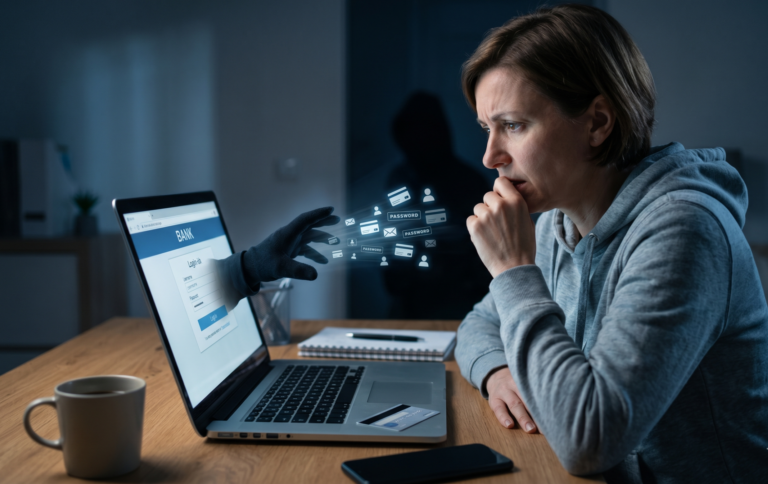
In the digital landscape of 2026, cyber security is no longer an exclusively technical battle. For decades, organizations focused their resources on building impenetrable firewalls, compiling sophisticated threat intelligence, and deploying automated endpoint defense. In response, modern cybercriminals shifted their target from the computer operating system to the human operating system.
Today, the most devastating security incidents rarely begin with a zero-day exploit or brute-force code execution. Instead, they begin with a psychological exploit. By systematically hacking human emotions—such as trust, fear, curiosity, and urgency—scammers manipulate users into actively bypassing their own security protocols. Understanding the cognitive mechanisms behind these attacks is essential to protecting both personal identities and corporate networks.

Social Engineering: Hacking the Human Brain
At the core of almost every successful online scam is social engineering. This discipline relies on psychological manipulation rather than software vulnerabilities. Cybercriminals recognize that a human being under stress, distraction, or excitement is the easiest entry point into any secured network.
When individuals interact with technology, they operate under cognitive shortcuts known as heuristics. These mental shortcuts allow us to make rapid decisions without spending hours analyzing every variable. While heuristics keep us efficient in daily life, they create distinct cognitive blind spots that social engineers map out and exploit with surgical precision.
The Primary Psychological Weapons of Scammers
Attackers structure their fraudulent schemes around universal patterns of human behavior. By pulling specific emotional levers, they can reliably predict how a target will react.
1. The Weaponization of Authority and Trust
Human beings are conditioned from childhood to respect authority and trust established institutions. Scammers exploit this conditioning through brand mimicry and identity spoofing. They carefully clone the visual design of banks, technology providers, and government agencies.
A prominent example of this tactic is the dramatic rise in automated extortion schemes where threat actors pose as law enforcement officials. To see a detailed breakdown of how criminals exploit legal panic to freeze civilian assets, read our dedicated analysis on Understanding Digital Arrest: What It Is and How to Prevent It.
2. Artificial Urgency and the Panic Loop
Fear is a primitive survival mechanism that overrides logical reasoning. When an email or text message claims that your corporate account has been compromised, a critical payment has failed, or legal action is imminent, your brain enters a high-stress state.
By attaching an aggressive deadline (e.g., “Your access will be permanently revoked within 30 minutes”), the attacker forces you into a panic loop. The objective is to make you act immediately to resolve the perceived threat before your critical thinking faculties can intervene.
3. The Click Instinct (Curiosity)
Human curiosity is an incredibly powerful motivator. Scammers leverage this by dangling intriguing, exclusive, or sensational information just out of reach. Phishing subject lines that hint at confidential organizational changes, leaked documents, or surprise employee performance reviews tap directly into this instinct. When curiosity is triggered, users frequently ignore glaring technical red flags—such as mismatched domain names or unverified attachments—just to satisfy their desire to know what is on the other side of the link.
4. The Illusion of Scarcity and Low-Risk Reward
Appeals to personal gain remain a staple of financial fraud. Cryptocurrency scams, fraudulent high-yield investment programs, and fake corporate bonuses rely on the psychological concepts of scarcity and opportunity. By convincing the target that they have been uniquely selected for a time-sensitive, low-risk financial advantage, the scammer bypasses the victim’s natural skepticism. The victim becomes so focused on the potential benefit that they overlook the irrationality of the offer.
5. Social Proof and Artificial Validation
We look to the behavior of others to determine correct choices, especially in unfamiliar situations. Modern threat actors manufacture artificial social proof at scale. They deploy networks of automated bots, fake reviews, and fabricated executive endorsements to give fraudulent websites or investment platforms an unearned veneer of legitimacy. Seeing a long thread of positive commentary disarms a user’s natural caution, making them far more willing to surrender credentials or transfer funds.
Mapping Psychological Triggers to Corporate Attack Vectors
Organizations must realize that different cyberattacks target specific areas of workplace psychology.
| Attack Vector | Underlying Psychological Trigger | Business Impact |
| Business Email Compromise (BEC) | Deference to Executive Authority | Unauthorized wire transfers, payroll diversion. |
| Spear Phishing | Professional Reciprocity & Affiliation | Network credential theft, initial malware entry. |
| Fake Job Offers on LinkedIn | Ambition & Financial Advancement | Installation of spyware on corporate endpoints. |
| Smishing (SMS Phishing) | Distraction & Instant Mobile Urgency | Multi-factor authentication token bypass. |
Deconstructing the Myth: Why Smart People Fall for Scams
One of the most dangerous misconceptions in cybersecurity is the belief that online scams only succeed against tech-illiterate individuals. In reality, intelligence is not an immunization against psychological manipulation.
Social engineering works precisely because it circumvents technical knowledge. A highly experienced software engineer or security analyst can fall victim to a scam if they are experiencing cognitive overload. Factors such as fatigue, multi-tasking, workplace stress, or personal distraction significantly reduce our mental defense budget. Scammers do not win because their technical exploits are flawless; they win because they strike when a user’s cognitive guard is down.
Mitigating Psychological Vulnerabilities with FireShark
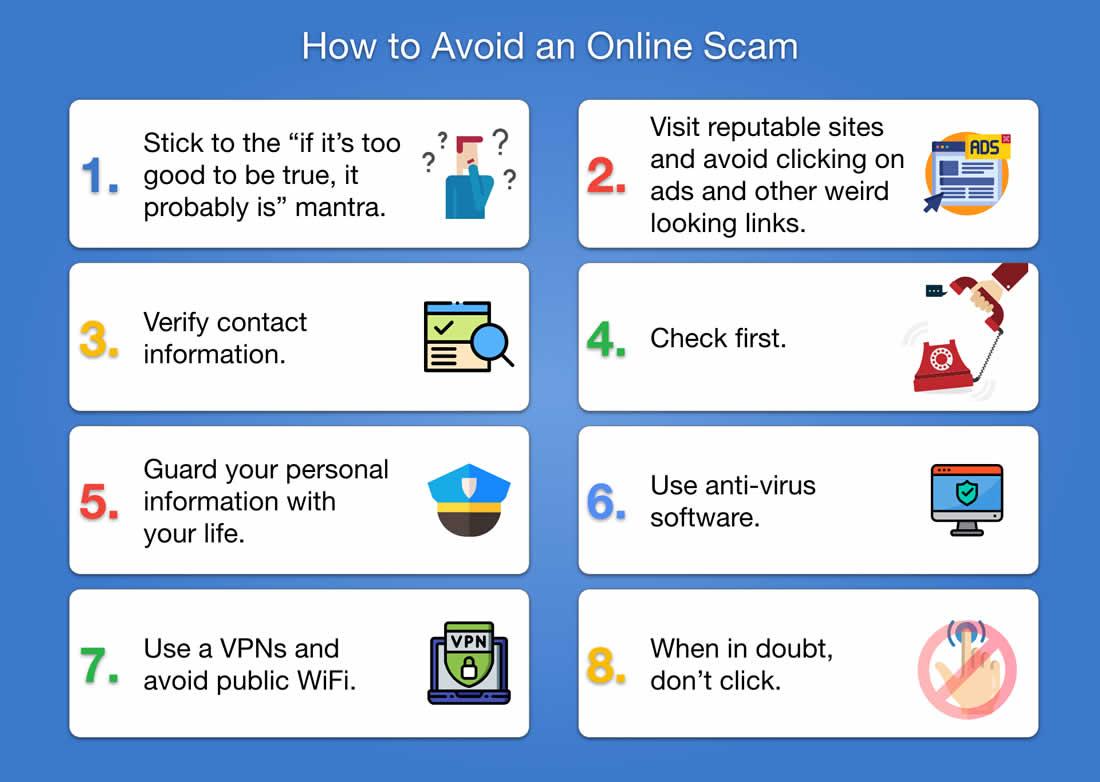
Defending an enterprise against human-centric attacks requires a major shift in educational strategy. Simply providing employees with a static list of security rules once a year fails to create permanent behavioral change. True defense requires cultivating a continuous, security-conscious culture across all organizational tiers. To explore the foundational philosophy behind building robust organizational resilience, review our primer on What is Cybersecurity? Why is Cybersecurity Important?.
FireShark approaches cybersecurity training by contextualizing the human element. Rather than teaching security as an abstract technical concept, our training programs decode the specific behavioral tactics used by threat actors. By training professionals to recognize the cognitive tricks, emotional hooks, and manipulation strategies behind social engineering, FireShark empowers teams to look past the surface of an interaction, pause under pressure, and verify identity before taking action.
Conclusion
The evolution of cybercrime has proved that human behavior is the ultimate terrain of conflict. Technology will continue to advance, but human psychology remains bound to predictable emotional triggers. By studying the tactics of cognitive manipulation, enforcing rigid verification processes, and committing to continuous behavioral education, individuals and enterprises can build a psychological firewall capable of withstanding the most sophisticated social engineering campaigns.
Frequently Asked Questions (FAQs)
1. What is the core difference between regular hacking and social engineering? Regular hacking focuses on exploiting technical flaws in software, configurations, or hardware code to gain unauthorized entry. Social engineering focuses entirely on exploiting human psychology and behavioral biases to trick users into willingly granting access or surrendering data.
2. Why is artificial urgency so effective in phishing emails? Artificial urgency forces the human brain into a high-stress, reactive state. When faced with an immediate threat and a strict time limit, our logical reasoning centers are suppressed, leading us to take quick action to resolve the issue without stopping to verify if the communication is legitimate.
3. How do scammers use publicly available information to target individuals? Attackers engage in open-source intelligence gathering by scraping professional networks and social media platforms. By analyzing your job role, recent projects, professional relationships, or personal interests, they can craft highly customized messages that feel contextual, relevant, and entirely authentic.
4. Can technology alone stop psychological cyberattacks? No. While technical controls like email filters and multi-factor authentication block a significant portion of attacks, an advanced social engineer can still manipulate a user over the phone or via direct message into bypassing those systems. Technology is an aid, but human awareness is the final line of defense.
5. What is the most effective psychological defense against online scams? The single most effective defense is practicing the habit of intentional hesitation. When an unexpected message triggers an intense emotional reaction—whether it is panic, intense curiosity, or excitement—you should pause, independent of the message, and verify the claim through an official, trusted channel.