

Introduction
In the digital ecosystem of 2026, security perimeters have never been more mathematically robust. Advanced encryption, zero-trust network access, and artificial intelligence-driven endpoint monitoring have made traditional network penetration remarkably costly for attackers. Consequently, threat actors have doubled down on the oldest, most reliable security exploit in existence: manipulating human behavior.
Phishing remains the primary initial access vector for corporate breaches and individual financial theft. Rather than attempting to break through cryptographic firewalls, cybercriminals simply convince valid credential holders to open the door for them. As these deceptive tactics grow more targeted and computationally convincing, identifying the varied modalities of phishing is the baseline requirement for modern digital survival.
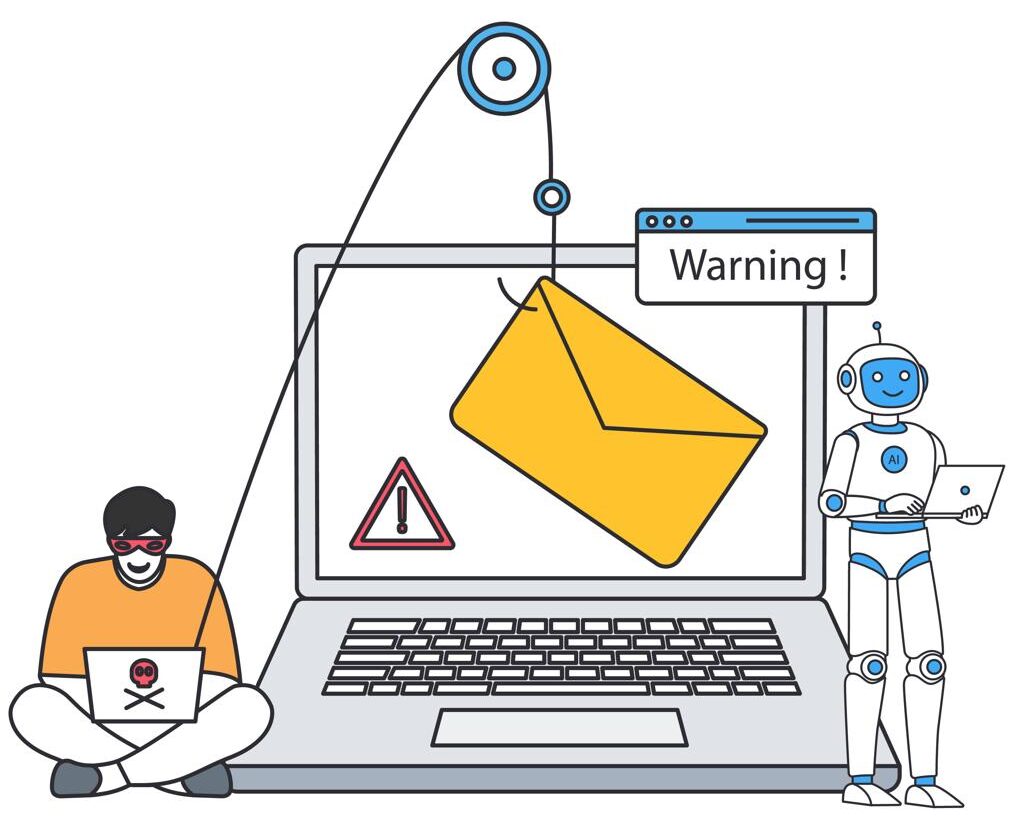
The Phishing Spectrum: From Mass Campaigns to Precision Strikes
Phishing is no longer just a poorly worded email claiming an unexpected inheritance. It has evolved into a highly specialized matrix of communication attacks spanning multiple media platforms.
1. Traditional Email Phishing (Bulk Phishing)
The volume play remains a staple of cybercrime operations. In a bulk phishing campaign, automated software distributes millions of deceptive emails simultaneously to unverified address lists. These messages mimic automated corporate notifications, such as asset delivery tracking errors, password expiration notices, or streaming service billing failures. They rely on high-volume statistics—if even $0.5\%$ of recipients react out of habit or distraction, the campaign yields a high return on investment.
2. Spear Phishing: Context-Aware Targeting
Unlike mass operations, spear phishing is a surgical strike aimed at a predetermined individual or corporate unit. The attacker conducts exhaustive open-source intelligence (OSINT) gathering across professional directories, corporate blogs, and social platforms. Armed with details like your full name, specific department projects, and your direct supervisor’s identity, the attacker crafts a hyper-personalized message. Because the email references authentic workplace context, it easily subverts a user’s standard skepticism.
3. Whaling: High-Value Executive Exploits
Whaling is a specialized tier of spear phishing that shifts focus exclusively toward senior leadership—CEOs, CFOs, legal counsels, and board members. Executives are attractive targets because they hold administrative keys to proprietary data vaults and massive capital reserves. Whaling lures are frequently disguised as urgent legal subpoenas, regulatory compliance audits, or critical board-level financial reviews, capitalizing on an executive’s high-stress, fast-paced decision environment.
4. Clone Phishing: Trust Hijacking
Clone phishing relies on copying an organization’s legitimate historical communications. The attacker intercepts or uncovers an authentic, previously delivered email containing an attachment or a link. They then construct a pixel-perfect replica of that communication, modifying only the payload destination or swapping out the original file for a malicious dropper. The victim trusts the communication because they have a cognitive memory of interacting with that exact context previously.
Multi-Channel Phishing: Beyond the Inbox
As corporate communication channels have migrated to mobile systems and collaboration spaces, phishing vectors have mutated to follow user attention.
Smishing (SMS Phishing)
Smishing leverages the instant nature of mobile text messaging. Attackers distribute text alerts warning of frozen bank accounts, missed tax filings, or immediate package delivery failures. Because users routinely access mobile devices on the fly while heavily distracted, they are significantly more likely to click a link on a mobile interface where the full URL structure is structurally compressed and obscured.
The security danger multiplies when these mobile vectors intersect with identity theft; to see how mobile numbers are fully weaponized after initial data collection, review our comprehensive breakdown of SIM Swapping Attacks and How to Protect Your Accounts.
Vishing (Voice Phishing)
Vishing transfers the social engineering attempt over to traditional telecommunication lines or VoIP systems. Attackers use caller ID spoofing networks to make incoming calls appear to originate from legitimate corporate help desks, tax agencies, or banking fraud departments. The caller utilizes calculated scripts to induce immediate panic, guiding the victim through a process where they willingly read out two-factor authentication codes or confirm internal account passwords.
Business Email Compromise (BEC)
BEC represents one of the most financially destructive fraud patterns in global commerce. In a BEC scenario, an attacker gains unauthorized control of a legitimate corporate email account or spoofs an executive’s domain name. Instead of sending malware, the attacker monitors ongoing business conversations and injects themselves into active financial threads, instructing accountants or vendors to route pending invoice payments to fraudulent offshore bank accounts.
Modern Defensive Matrix: Attack Vectors vs. Tactical Remediation
| Phishing Variant | Primary Psychological Lever | Core Technical Defense |
| Bulk Email Phishing | Urgency & Fear | Strong DMARC, DKIM, and SPF email authentication records. |
| Spear Phishing | Professional Familiarity | Zero-Trust verification protocols and external email tagging. |
| Smishing / Vishing | Distraction & Instant Panic | Out-of-band identity verification and app-based MFA. |
| BEC (Financial Fraud) | Executive Authority | Multi-signature confirmation rules for all capital movements. |
Alternative Phishing Frontiers: Social and Search Platforms
The modern browser ecosystem has given rise to unique, non-traditional phishing architectures designed to bypass automated email filters entirely.
Social Media Phishing: Attackers deploy fake corporate recruitment profiles, cloned friend accounts, or duplicate customer support bots to initiate casual, trusted conversations with employees. These interactions are used to drop malicious links or extract professional identity details.
Angler Phishing: A highly opportunistic technique where scammers monitor public complaints on social platforms directed at major service brands. The attacker intercepts the thread using a fraudulent handle that looks like official support (e.g.,
@Brand_Support_Care), immediately offering a fake verification link to resolve the customer’s problem.Search Engine Phishing: Instead of pushing a link out to a victim, the attacker pulls them in. By deploying malicious websites cloned after banking portals or popular utilities and using aggressive SEO techniques or paid advertisements, they position fraudulent links at the top of organic web searches, catching users who fail to verify destination URLs.
Why Human Perimeters Fail: The Psychology Link
The undeniable permanence of phishing across the threat landscape points to an obvious conclusion: phishing is fundamentally a psychological exploit rather than a computing failure. Attackers design their communication funnels to trigger immediate cognitive overrides. When a message successfully creates intense fear, extreme curiosity, or deference to institutional authority, logical verification habits vanish.
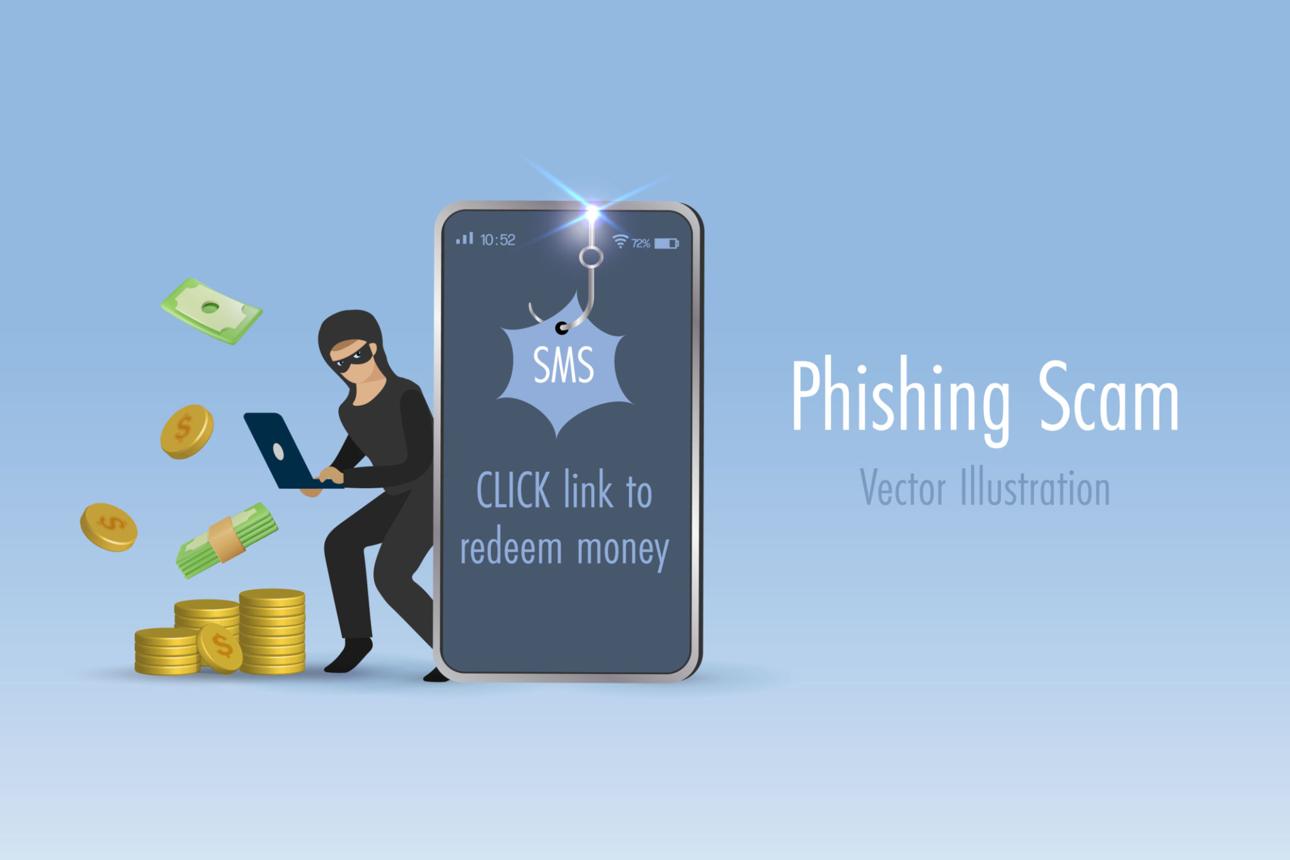
To build a genuinely resilient defense against these social engineering loops, individuals must analyze the core emotional vulnerabilities that cybercriminals look for. Explore this dynamic further in our fundamental analysis on The Psychology of Cybercrime: Why People Fall for Online Scams.
Maximizing Human Firewall Defense with FireShark
A modern enterprise can purchase the most expensive data filtering suites available, but if an individual employee willingly inputs an administrative credential into a fraudulent form, those technical defenses are rendered completely ineffective. Defending an organization in an era of highly customized social engineering requires transitioning your workforce from a point of passive vulnerability into an active line of defense. To understand the strategic fundamentals of building comprehensive enterprise resilience, review our introduction on What is Cybersecurity? Why is Cybersecurity Important?.
FireShark neutralizes social engineering vectors by delivering immersive, real-world cybersecurity awareness and simulation training. Rather than using boring, static compliance lectures, our interactive platforms train employees to look past visual formatting, identify psychological manipulation tactics, and run strict out-of-band verification routines. By helping your teams build permanent, critical digital habits, FireShark turns your workforce into an intelligent human firewall capable of deflecting the most sophisticated phishing threats.
Conclusion
Phishing continues to dominate the global threat matrix because it targets the one variable security software cannot patch: human nature. From broad email blasts to highly customized spear phishing and complex business email compromises, cybercriminals will always look for the easiest route into protected infrastructure. By maintaining a healthy skepticism, avoiding urgent communication traps, enforcing rigid identity verification, and adopting app-based multi-factor authentication, organizations and individuals can reliably protect their valuable data assets.
Frequently Asked Questions (FAQs)
1. Why do phishing emails bypass modern enterprise spam filters?
Phishing emails bypass filters because attackers continuously adapt their formatting. They use lookalike domains, obscure malicious links behind legitimate cloud storage redirects, or avoid using malicious links altogether—relying instead on pure text social engineering, which automated code analysis filters cannot reliably classify as malicious.
2. What is the single most definitive indicator that an email is a phishing attempt?
The most definitive indicator is an artificial demand for urgent, immediate action combined with an instruction to bypass standard verification channels, especially when paired with a sender address that does not exactly match the official corporate domain it claims to represent.
3. If I accidentally click a phishing link but do not enter any credentials, am I safe?
Not necessarily. While most phishing sites focus on harvesting inputted credentials, simply loading a malicious page can expose your browser to “drive-by download” exploits that attempt to plant malware via unpatched browser vulnerabilities. It can also signal to the attacker that your email address is active and responsive.
4. How does “Angler Phishing” exploit official corporate communication?
Angler phishing exploits the public nature of social media customer service. Scammers use automated monitoring tools to look for public user complaints directed at major brands. They then instantly respond using a profile with cloned corporate imagery, tricking the frustrated customer into believing they are speaking with official support.
5. How can organizations effectively test their workforce resilience against phishing?
Organizations can measure and improve resilience by deploying controlled, randomized phishing simulations that mimic real-world attack trends. These exercises should always be paired with immediate, non-punitive educational feedback that highlights exactly which indicators the employee missed.