

Introduction
In the global digital economy of 2026, data is no longer just a collection of numbers and names stored on a server; it is the fundamental engine of business operations. Intellectual property, customer databases, financial records, and operational pipelines are all digitized. While this shift drives unprecedented efficiency, it has also turned corporations into high-value targets for global threat actors.
A data breach is rarely a random act of misfortune. Instead, it is almost always the inevitable outcome of systemic security gaps, unpatched vulnerabilities, or human manipulation. For modern enterprises, understanding the precise mechanisms behind these incidents is the first step toward building a resilient architecture. Analyzing how data exposures occur reveals the critical security lessons every organization must implement to protect its assets.

The Anatomy of a Modern Data Breach
A data breach occurs when an unauthorized individual or entity gains access to confidential, protected, or sensitive data. The lifecycle of a breach generally follows a structured progression:
[Initial Intrusion] ➔ [Privilege Escalation] ➔ [Internal Reconnaissance] ➔ [Data Exfiltration]
Initial Intrusion: The attacker establishes a foothold inside the network using an exploit, stolen credentials, or social engineering.
Privilege Escalation: The attacker maneuvers through the system to acquire higher administrative rights.
Internal Reconnaissance: The network is silently mapped to identify where sensitive databases and assets reside.
Data Exfiltration: The targeted information is quietly packaged, encrypted, and transferred out of the corporate network to servers controlled by the attacker.
The aftermath of this cycle extends far beyond immediate operational disruption. Organizations routinely face severe regulatory fines, class-action lawsuits, long-term brand degradation, and a catastrophic loss of consumer trust.
The Primary Attack Vectors Exploited by Hackers
Cybercriminals continuously refine their methodologies, but the vast majority of corporate breaches trace back to a few highly effective entry points.
1. Advanced Phishing and Social Engineering
Human behavior remains the most exploited vulnerability in corporate security. Modern phishing campaigns no longer rely on poorly written emails; instead, they utilize highly targeted information gathered from open sources to craft believable narratives. Threat actors impersonate high-level executives, vendors, or internal IT staff to trick employees into surrendering corporate login credentials or executing malicious attachments. When attackers combine these tactics with machine learning, the efficiency of identity theft scales dramatically, a trend explored deeply in our analysis of AI-Powered Cyber Attacks: How Hackers Are Using Artificial Intelligence.
2. Credential Stuffing and Weak Authentication
Weak, reused, or compromised passwords offer an open door to corporate networks. In a credential stuffing attack, hackers take massive lists of leaked usernames and passwords from historical public breaches and use automated scripts to test them against corporate portals. If an enterprise fails to mandate robust security controls, an attacker who compromises a single employee account can gain immediate access to internal business systems.
3. Exploitation of Unpatched Software
Every piece of software running within an enterprise network requires continuous maintenance. When software vendors discover security flaws, they issue patches to close those backdoors. However, due to operational delays or oversight, many organizations leave these vulnerabilities unpatched for weeks or months. Cybercriminals scan the public internet for these known security gaps, using them to execute code remotely and bypass network perimeters entirely.
4. Configuration Drift and the Cloud Security Gap
As corporate infrastructure shifts to multi-cloud environments, configuration management becomes increasingly complex. Misconfigured cloud storage buckets, unsecured databases, and overly permissive API access keys frequently expose highly sensitive customer records directly to the public web. This is rarely a failure on the part of the cloud provider; rather, it is a failure of the organization to maintain a secure configuration baseline.
5. Insider Vulnerabilities and Shadow Infrastructure
Not all risks originate from external threat syndicates. Well-meaning employees frequently introduce risk by adopting unverified third-party applications or personal cloud tools to expedite their tasks. This phenomenon creates an unmonitored technical footprint that entirely bypasses corporate security controls, leaving data vulnerable to silent exposure. To understand the full operational impact of this specific vector, review our detailed guide on Shadow IT: The Hidden Cybersecurity Risk Inside Organizations.
Crucial Lessons for Enterprise Defense
Past enterprise failures offer a clear roadmap for modern security teams. Organizations that successfully withstand targeted attacks generally design their defense around several core paradigms.
Proactive Threat Modeling
A reactive security posture is entirely insufficient. Organizations must assume that a breach attempt will eventually succeed and build defenses that limit the blast radius. This requires regular penetration testing, active log analysis, and continuous monitoring of network baselines to catch anomalous behavior before data leaves the environment.
The Principle of Least Privilege
Data breaches scale in severity when an attacker captures a low-level account that possesses excessive network access. Implementing the principle of least privilege ensures that every employee, application, and device only has access to the exact data required to perform their specific function. If an account is compromised, the strict boundaries prevent the attacker from moving laterally across the entire corporate network.
Strategic Infrastructure Isolation
Ransomware and data exfiltration campaigns rely heavily on a flat network structure where everything is interconnected. By dividing corporate infrastructure into isolated, secure zones, security teams can effectively quarantine an active infection, protecting core financial and customer databases from unauthorized access.
Blueprint for a Resilient Security Posture
Transitioning from a vulnerable state to a resilient posture requires a unified combination of policy, technology, and execution.
| Security Control | Objective | Operational Impact |
| Multi-Factor Authentication | Eliminate reliance on passwords alone. | Prevents access even if login credentials are stolen or leaked. |
| Automated Patch Management | Eliminate window of exposure for software flaws. | Closes known software backdoors before attackers can scan for them. |
| Network Segmentation | Divide internal infrastructure into distinct security zones. | Restricts lateral movement and isolates potential breaches. |
| Continuous Monitoring | Implement real-time endpoint and network analysis. | Identifies data exfiltration patterns and anomalous logins instantly. |
| Incident Response Drills | Establish clear post-breach playbooks. | Minimizes containment time and mitigates regulatory exposure. |
Elevating Enterprise Resilience with FireShark
Defending an enterprise network requires a highly trained workforce capable of identifying subtle indicators of compromise before they escalate into full-scale security incidents. Technology alone cannot protect data assets; it requires skilled analysts to interpret logs, secure cloud configurations, and respond effectively during high-pressure scenarios.
FireShark addresses this critical gap by delivering industry-leading cybersecurity training and operational readiness programs. Our curriculum focuses on real-world threat simulation, instructing security teams on how to hunt for advanced persistent threats, analyze malicious code, and build a resilient perimeter. By cultivating a deep security-first mindset and empowering professionals with defensive expertise, FireShark helps businesses transform their workforce into a robust human firewall.

Conclusion
Data breaches are structural failures, not random events. They occur when visibility is low, software is ignored, and authentication is weak. By studying past incidents, enforcing strict access controls, and committing to continuous security education, organizations can significantly reduce their attack surface. In a digital ecosystem where data defines corporate value, proactive protection is the only viable path to long-term operational security.
Frequently Asked Questions (FAQs)
1. What is the difference between a security incident and a data breach? A security incident is any unauthorized event that compromises the integrity, confidentiality, or availability of an IT asset, such as a malware infection on an isolated workstation. A data breach specifically occurs when an incident successfully results in unauthorized access, viewing, or theft of sensitive corporate or personal data.
2. How does multi-factor authentication stop attacks if a password is stolen? Multi-factor authentication requires an additional, independent verification step, such as a physical security key, a biometric check, or a time-sensitive authenticator token. Even if an attacker obtains a valid password through phishing, they cannot bypass this secondary verification layer, effectively neutralizing the stolen credential.
3. Why do software updates play such a critical role in preventing data breaches? Software updates often contain security patches for newly discovered flaws known as vulnerabilities. If an organization fails to update its systems promptly, cybercriminals can use public exploit code to target those flaws, bypass corporate firewalls, and gain unauthorized entry into internal networks.
4. How do misconfigured cloud services lead to data exposure? When organizations migrate storage or databases to the cloud, default settings or improper access control permissions can inadvertently leave those data repositories accessible to the public internet. Attackers use automated tools to scan for these open buckets and download confidential information without needing to crack any corporate passwords.
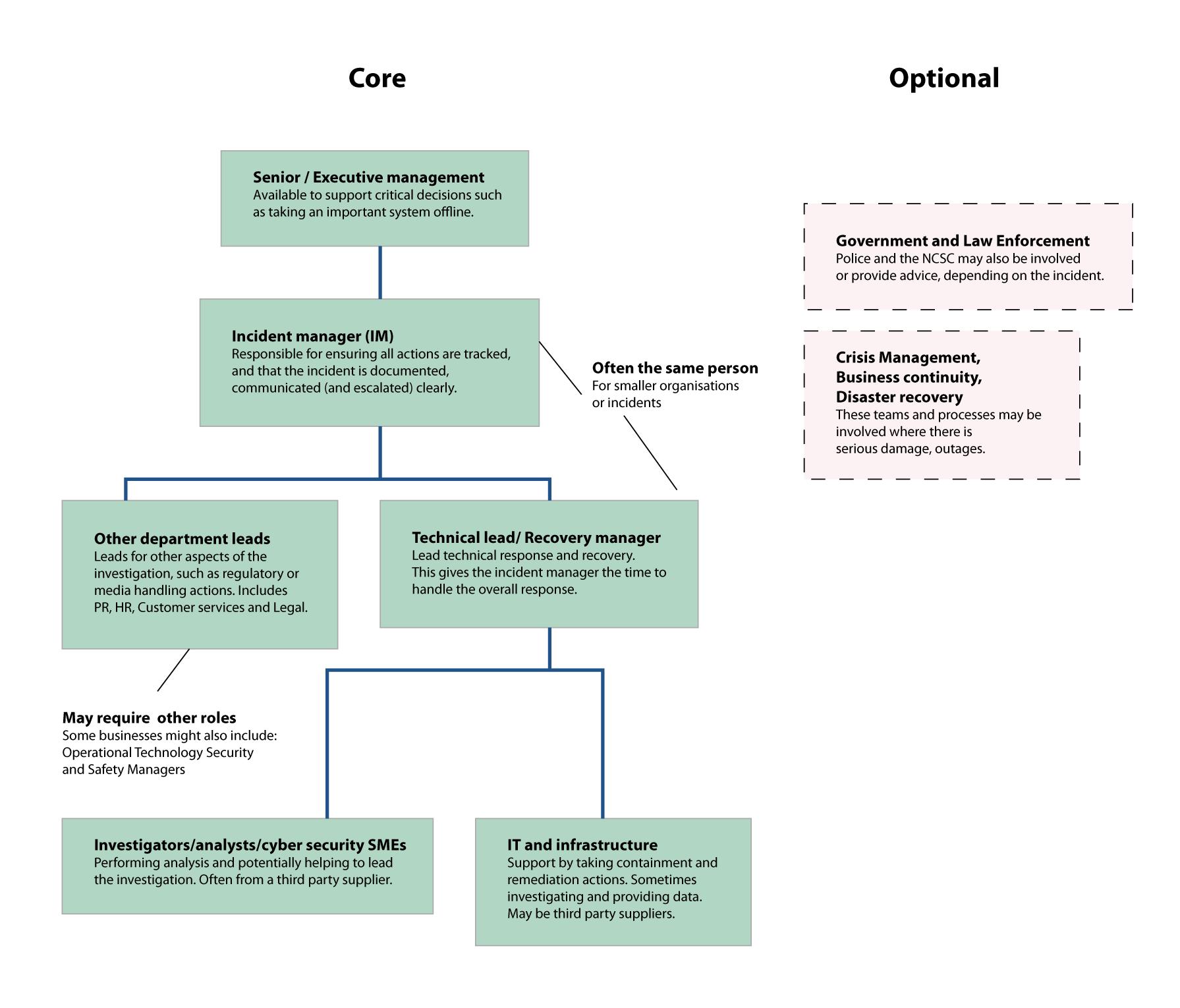
5. What is the purpose of an incident response plan during a breach? An incident response plan is a structured playbook that defines exact roles, communication channels, and technical steps to take during a breach. It allows security teams to rapidly isolate affected systems, stop active data exfiltration, preserve digital forensics, and fulfill regulatory notification requirements efficiently under pressure.