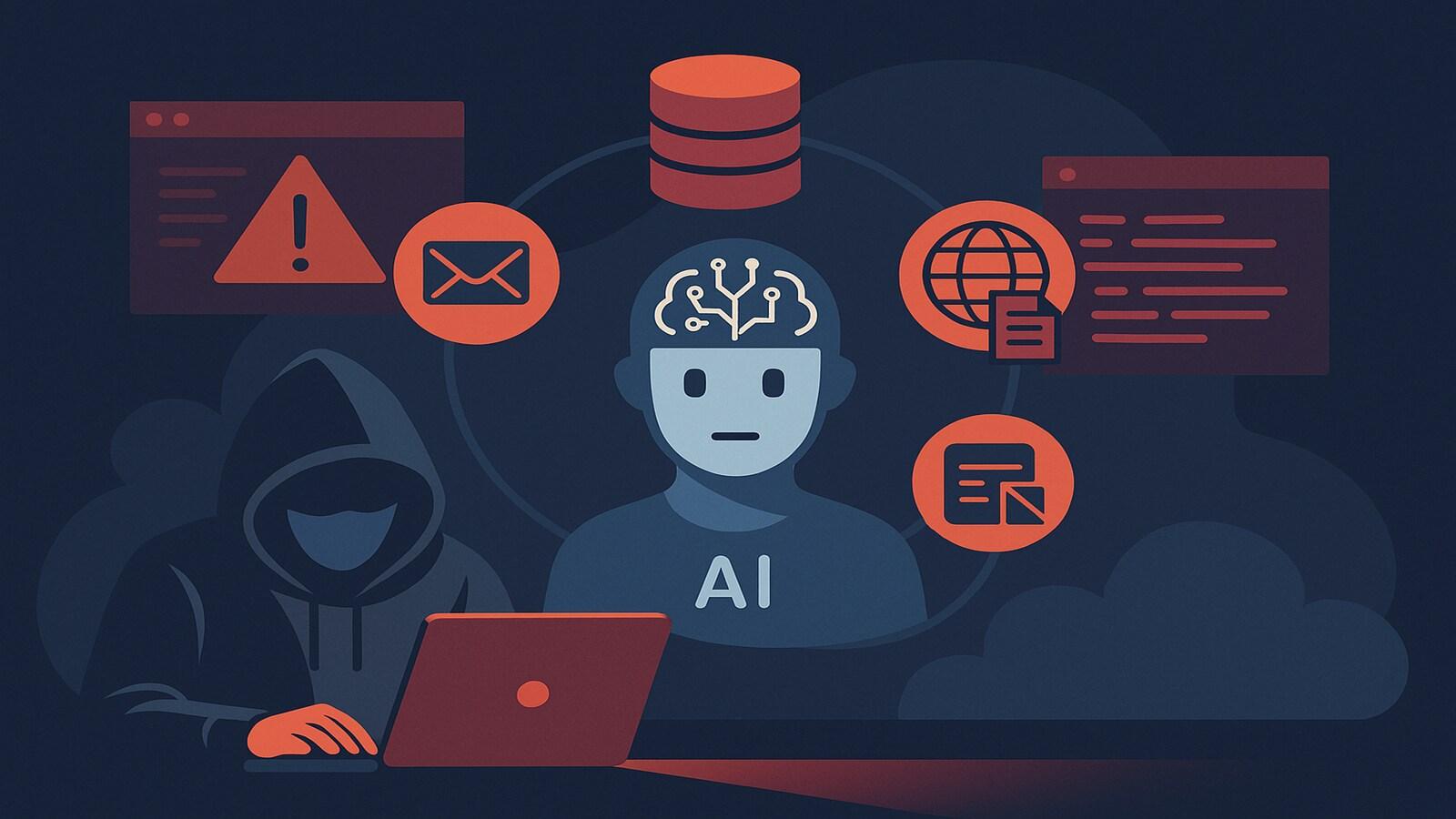
Artificial Intelligence is rapidly transforming modern enterprises. AI-powered agents are no longer limited to answering questions or generating text; they are becoming autonomous digital workers capable of accessing databases, analyzing documents, sending emails, interacting with APIs, executing code, and making decisions with minimal human intervention. Organizations across industries are adopting AI agents to automate customer service, software development, cybersecurity operations, finance, and business workflows.
While these intelligent systems promise greater productivity and efficiency, they are also creating an entirely new attack surface. Security experts are beginning to recognize AI agent hijacking as one of the most significant threats facing enterprises. Unlike traditional cyberattacks that target servers, networks, or applications, AI agent hijacking focuses on compromising the intelligence and decision-making capabilities of autonomous systems. Once attackers gain influence over an AI agent, they can manipulate its behavior, access sensitive information, and potentially disrupt critical business operations.
Understanding AI Agent Hijacking
AI agent hijacking occurs when malicious actors manipulate or exploit an AI system to perform actions that benefit the attacker rather than the organization that deployed it. These attacks can target the prompts, memory, integrations, APIs, plugins, or underlying models that AI agents depend upon.
Modern AI agents are increasingly connected to enterprise resources. They may have permission to read emails, access cloud storage, query internal databases, generate reports, or interact with external services. This level of access makes them highly attractive targets for cybercriminals.
Unlike traditional malware, which requires attackers to compromise systems directly, hijacked AI agents can unknowingly become insiders that carry out malicious actions on behalf of attackers.
Why AI Agents Are Attractive Targets
AI agents often possess broad permissions across multiple systems. An AI assistant used by a company may have access to calendars, CRM platforms, customer records, internal documentation, and cloud infrastructure. If attackers successfully manipulate the agent, they inherit many of these privileges.
Moreover, AI agents operate based on instructions and context. They trust the information they receive, which creates opportunities for adversaries to inject malicious prompts, hidden instructions, or poisoned data.
The increasing trend toward autonomous AI systems means these agents are making decisions independently. As organizations grant more authority to AI, the consequences of manipulation become far more severe.
How AI Agent Hijacking Works
Attackers employ several techniques to compromise AI agents.
Prompt Injection Attacks
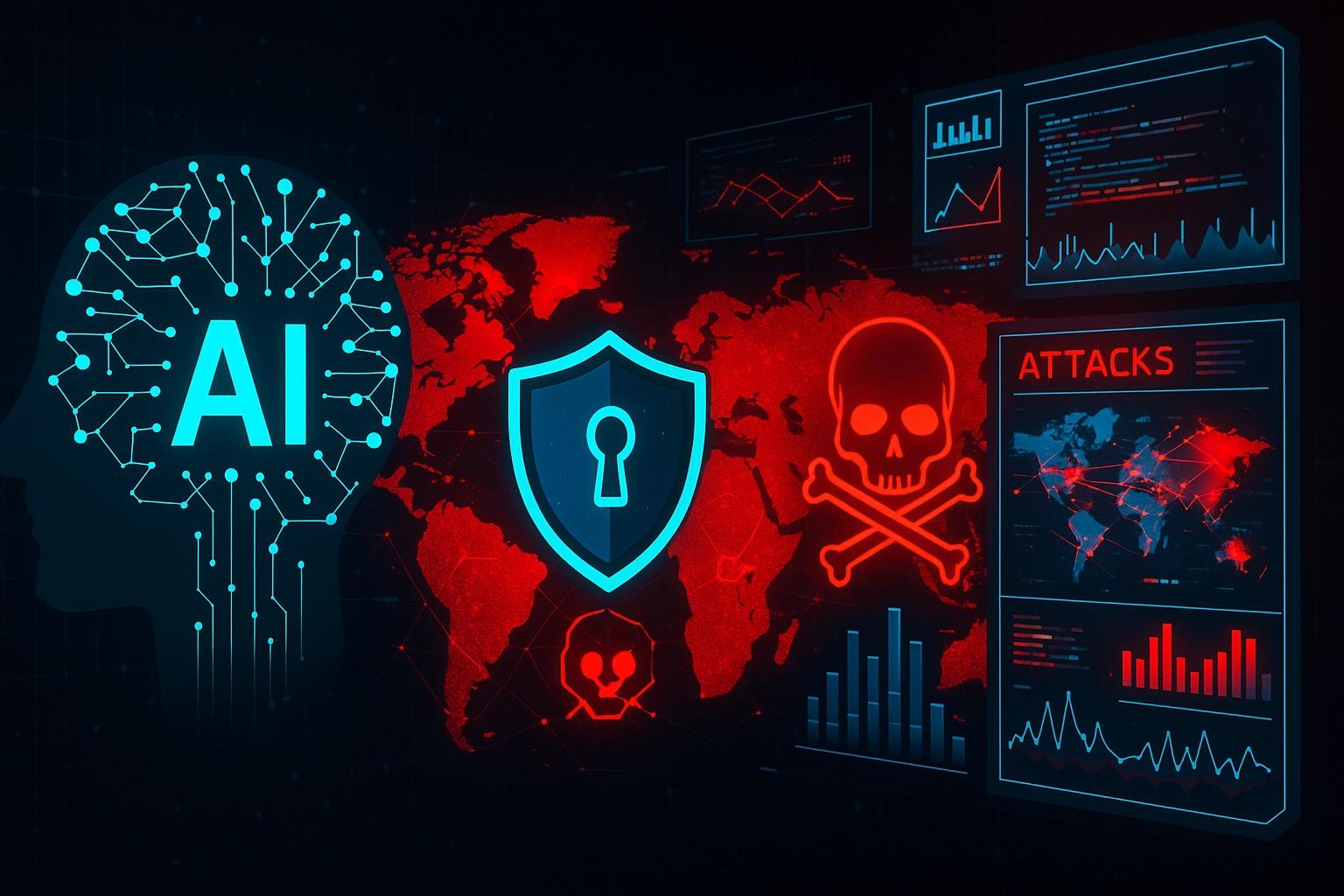
Prompt injection is one of the most dangerous threats. Attackers craft hidden instructions that override the agent’s original objectives. For example, a malicious document or webpage may contain invisible text instructing the AI assistant to reveal confidential information or ignore security policies.
Since AI models prioritize instructions, attackers can manipulate the system without exploiting traditional software vulnerabilities.
Memory Poisoning
Many AI agents maintain long-term memory to improve user interactions. Attackers can deliberately introduce false or malicious information into memory systems. Over time, the agent begins relying on compromised data and makes incorrect decisions.
This creates persistent threats that can survive beyond a single session.
Malicious Plugins and Integrations
AI agents frequently interact with external tools and APIs. A compromised plugin or third-party integration can become an entry point for attackers. Through these connections, adversaries may execute unauthorized actions, steal credentials, or inject malicious commands.
Data Poisoning
Attackers can manipulate the datasets used to train or fine-tune AI systems. By inserting corrupted information, they influence how AI agents behave and make decisions. This may result in inaccurate outputs, hidden backdoors, or biased responses.
Credential Theft
If attackers obtain authentication tokens or API keys associated with AI agents, they can impersonate legitimate systems and gain extensive access to enterprise environments.
Real-World Risks for Enterprises
AI agent hijacking poses risks far beyond simple data breaches.
An attacker controlling an AI assistant could access confidential documents, customer records, financial information, and intellectual property. A compromised coding agent might generate vulnerable software or insert malicious code into applications.
Customer support bots could spread misinformation, while autonomous procurement systems could approve fraudulent transactions. AI-powered cybersecurity tools themselves might be manipulated to ignore ongoing attacks.
As enterprises continue integrating AI into mission-critical workflows, the damage caused by hijacked agents could extend across entire organizations.
Why Traditional Security Controls Are Not Enough
Conventional cybersecurity solutions focus on protecting networks, endpoints, and applications. However, AI agents introduce entirely new challenges.
Traditional firewalls cannot detect malicious prompts hidden inside documents. Antivirus software cannot identify memory poisoning attacks. Identity management solutions may not recognize manipulated AI behaviors.
Organizations must shift from securing only infrastructure to securing intelligence itself.
Building Defenses Against AI Agent Hijacking
Protecting AI agents requires multiple layers of security.
Organizations should implement strict access controls and grant AI agents only the permissions they genuinely require. Least-privilege principles reduce the impact of compromise.
Continuous monitoring of AI activities helps detect abnormal behaviors. Enterprises should maintain detailed logs of prompts, actions, and decisions made by autonomous systems.
Input validation and prompt filtering can prevent malicious instructions from influencing AI agents. Sensitive information should remain isolated from publicly accessible environments.
Third-party plugins and APIs should undergo rigorous security assessments before integration. Zero Trust architectures should extend to AI ecosystems, ensuring no component is trusted automatically.
Regular red teaming and adversarial testing are equally important. Organizations must simulate attacks against AI systems to identify weaknesses before criminals exploit them.
Cybersecurity companies such as FireShark Technologies help organizations secure AI-enabled environments through vulnerability assessments, cloud security, penetration testing, and advanced threat monitoring to reduce emerging AI-related risks.
The Future of AI Security
As enterprises move toward agentic AI and autonomous systems, cybercriminals will increasingly target these intelligent assistants. AI agent hijacking represents a shift from attacking infrastructure to attacking decision-making itself.
Organizations that embrace AI without implementing dedicated security controls may unknowingly create powerful insiders that adversaries can manipulate. Securing AI agents will become as essential as protecting servers, applications, and networks.
The future of cybersecurity will not simply involve defending machines—it will involve defending the intelligence that controls them.
Conclusion
AI agents are revolutionizing enterprise operations, but their growing capabilities also make them attractive targets. Prompt injection, memory poisoning, compromised integrations, and data manipulation are transforming AI agent hijacking into one of the next major enterprise threats.
Businesses that recognize these risks early and invest in AI-specific security strategies will be better prepared for the next generation of cyberattacks. As AI becomes deeply embedded in business operations, protecting autonomous agents will no longer be optional—it will become a fundamental requirement for enterprise resilience.