Biometric security has long been considered one of the most reliable methods of identity verification. Unlike passwords, which can be forgotten, guessed, or stolen, biometric data such as fingerprints, facial recognition, voice patterns, and iris scans are unique to each individual. For years, organizations, financial institutions, government agencies, and technology companies have relied on biometric authentication to strengthen security and reduce fraud.
However, the rapid advancement of artificial intelligence has created a new challenge that threatens the effectiveness of biometric systems. Deepfake technology, powered by sophisticated AI models, can now generate highly realistic fake faces, voices, and even live video streams that closely mimic real people. As deepfakes become more convincing and accessible, traditional biometric security measures are struggling to distinguish between genuine users and AI-generated impersonations.
The growing conflict between biometric authentication and deepfake technology raises an important question: Is biometric security still enough to protect digital identities in the modern era?
The Rise of Biometric Authentication
Biometric security gained popularity because it offered a convenient and secure alternative to passwords. Users could unlock devices with a fingerprint, access banking apps through facial recognition, or verify their identity using voice authentication systems.
Common biometric authentication methods include:
- Fingerprint recognition
- Facial recognition
- Voice authentication
- Iris and retina scanning
- Behavioral biometrics
These technologies rely on unique physical or behavioral characteristics that are difficult to replicate under normal circumstances. For many years, this assumption held true.
How Deepfakes Are Changing the Threat Landscape

As a result, biometric systems that rely solely on facial recognition or voice verification are becoming increasingly vulnerable.
Why Facial Recognition Is No Longer Sufficient
Facial recognition systems compare a user’s face against a stored biometric template. While effective against traditional spoofing attacks, many systems were not designed to handle AI-generated synthetic faces.
Modern deepfake tools can:
- Recreate facial expressions in real time
- Generate realistic eye movements
- Mimic lighting and shadows
- Produce high-resolution facial details
- Bypass basic liveness detection mechanisms
Attackers can use these capabilities during video verification processes, account recovery procedures, or remote onboarding systems. A convincing deepfake video may appear genuine enough to pass facial authentication checks, especially if the platform uses outdated verification methods.
Financial institutions and online services have already reported attempts involving AI-generated identities designed to bypass Know Your Customer (KYC) procedures.
Voice Biometrics Under Attack
Voice authentication has become popular in banking, customer support, and smart assistants. Unfortunately, AI-powered voice cloning technology has advanced at an alarming pace.
Today, attackers may need only a few seconds of recorded speech from social media videos, podcasts, interviews, or online meetings to create a highly accurate voice clone.
These cloned voices can potentially:
- Access voice-protected accounts
- Authorize financial transactions
- Impersonate executives
- Manipulate customer service representatives
- Conduct social engineering attacks
The result is a growing concern that voice biometrics alone can no longer be trusted as a standalone authentication factor.
Synthetic Identity Fraud Is Growing
Deepfake technology is fueling the rise of synthetic identity fraud. Instead of stealing an existing identity, criminals create entirely new digital personas using AI-generated biometric characteristics.
These synthetic identities can include:
- AI-generated profile photos
- Fake video verification sessions
- Artificial voice samples
- Fabricated personal information
Because the identity does not belong to a real person, traditional fraud detection systems often struggle to identify suspicious activity.
Organizations face increasing difficulty distinguishing between legitimate users and AI-created identities.
The Weakness of Single-Factor Biometrics
One of the biggest problems with biometric authentication is that biometric data cannot easily be changed if compromised.
If a password is stolen, it can be reset. If a fingerprint template or facial biometric profile is exposed, replacing it becomes far more difficult.
Deepfake technology exposes another weakness: relying on a single biometric factor creates a single point of failure.
An attacker capable of spoofing facial recognition or voice authentication may gain unauthorized access without needing passwords or physical devices.
This reality is forcing organizations to rethink their authentication strategies.
The Future: Multi-Layered Identity Verification
To defend against deepfake-enabled attacks, organizations are moving toward multi-layered authentication frameworks.
These systems combine several security factors, including:
- Biometrics
- Passwords or passphrases
- One-time verification codes
- Hardware security keys
- Device-based authentication
- Behavioral analytics
- Continuous risk assessment
Instead of trusting a single facial scan or voice sample, modern security systems evaluate multiple indicators simultaneously.
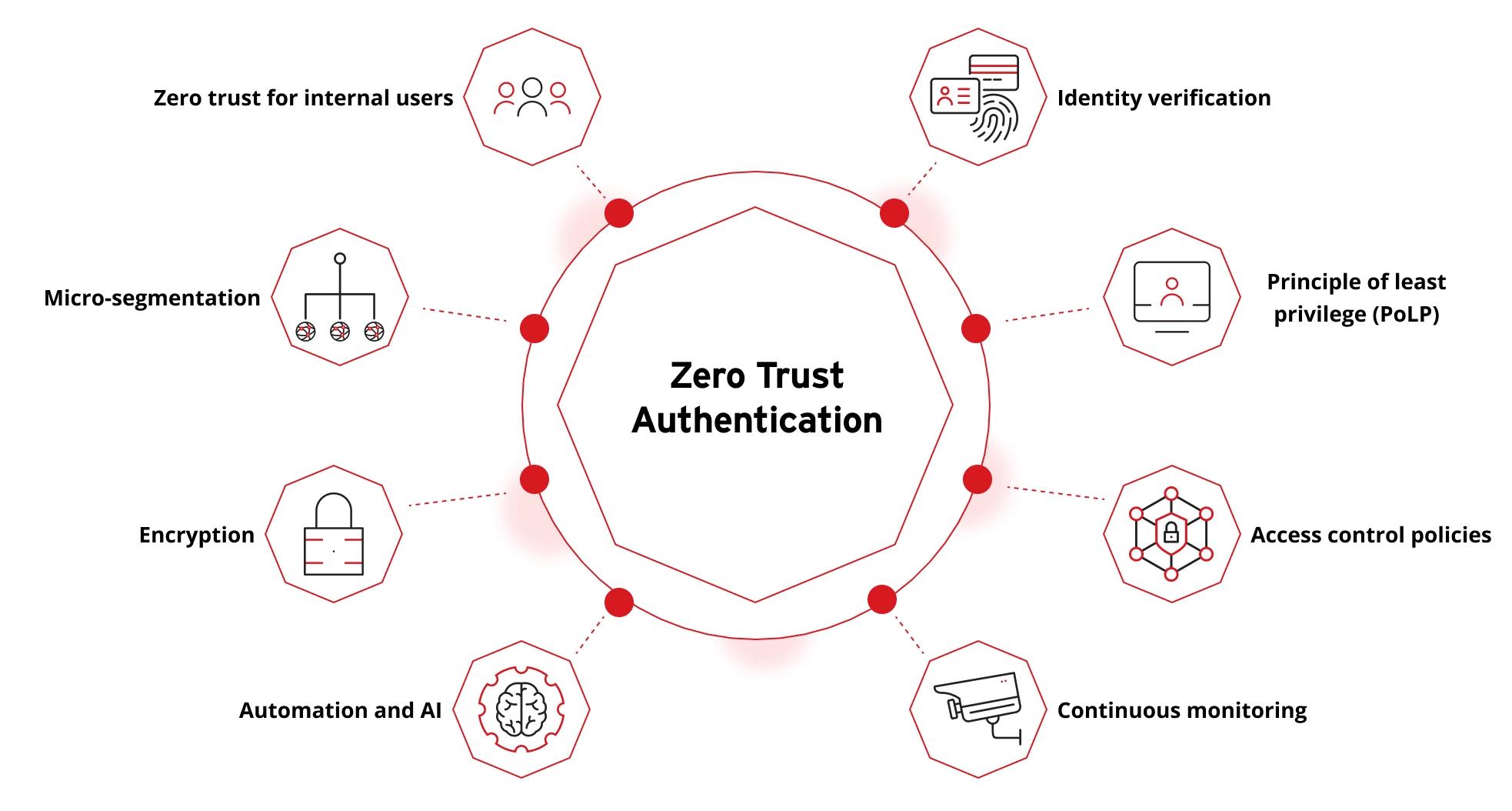
This layered approach makes it significantly harder for attackers to succeed using deepfake technology alone.
Advanced Liveness Detection Is Becoming Essential
Modern authentication systems increasingly rely on sophisticated liveness detection techniques.
These solutions analyze:
- Natural facial movements
- Eye blinking patterns
- Head motion dynamics
- Depth perception
- Environmental consistency
- Real-time user interaction
Advanced AI models can detect subtle inconsistencies that often reveal synthetic media. While not perfect, these technologies provide an additional defense layer against deepfake attacks.
The Role of AI in Fighting AI
Ironically, the same technology that powers deepfakes is also helping security professionals detect them.
AI-based detection systems can identify:
- Unnatural facial artifacts
- Voice synthesis patterns
- Pixel-level inconsistencies
- Manipulated video frames
- Abnormal behavioral characteristics
Cybersecurity companies and organizations such as Microsoft, Google, and OpenAI continue to invest in technologies that detect synthetic media and protect digital identities.
As attackers improve their techniques, defensive AI will play a critical role in maintaining trust in digital authentication systems.
Conclusion
Biometric authentication remains a valuable security tool, but it is no longer the unbreakable solution many once believed it to be. Deepfake technology has fundamentally changed the cybersecurity landscape by enabling realistic impersonation attacks that can target facial recognition, voice authentication, and other biometric systems.
The future of identity security will depend on combining biometrics with multiple layers of verification, advanced liveness detection, behavioral analysis, and AI-powered fraud detection. Organizations that continue relying solely on traditional biometric authentication risk falling behind as deepfake technology becomes more sophisticated.
In the age of artificial intelligence, protecting digital identity requires more than recognizing a face or a voice—it requires verifying that the person behind them is truly real.
FAQs
1. What is a deepfake?
A deepfake is AI-generated media that realistically imitates a person’s face, voice, or actions, making fake content appear genuine.
2. Can deepfakes bypass facial recognition systems?
Yes. Advanced deepfakes can sometimes fool facial recognition systems, especially those lacking strong liveness detection mechanisms.
3. Why is voice authentication vulnerable to deepfakes?
AI voice-cloning tools can replicate a person’s speech using only a short audio sample, making voice-based verification easier to spoof.
4. Is biometric security still useful?
Yes. Biometrics remain valuable but should be combined with multi-factor authentication and additional security controls.
5. How can organizations defend against deepfake attacks?
Organizations should implement multi-factor authentication, AI-powered deepfake detection, advanced liveness verification, and continuous identity monitoring.