

Introduction
The digital battlefield of 2026 is defined by a high-stakes arms race. As cybercriminals weaponize generative AI to launch hyper-personalized phishing, polymorphic malware, and automated ransomware, the traditional “manual” approach to defense has become obsolete. Today, being a cybersecurity professional means moving beyond simple firewalls and antivirus software; it requires mastering a sophisticated ecosystem of AI-driven tools that can predict, detect, and neutralize threats at machine speed.
Whether you are an ethical hacker, a SOC analyst, or a student entering the field through platforms like FireShark, understanding these eight AI tools is no longer optional—it is the foundation of a successful career in modern cyber defense.
Why AI has Become the Bedrock of Cybersecurity
In the past, security was reactive—defenders waited for a “signature” of a known virus to appear. In 2026, threats change their digital DNA every few seconds. AI bridges this gap by:
Real-Time Detection: Analyzing petabytes of data to find “needles in haystacks” that human eyes would miss.
Predictive Analytics: Identifying patterns of behavior that suggest an attack is brewing before it actually launches.
Automated Response: Quarantining infected devices or revoking access credentials in milliseconds to prevent “lateral movement” within a network.
1. CrowdStrike Falcon: The Agentic AI Leader
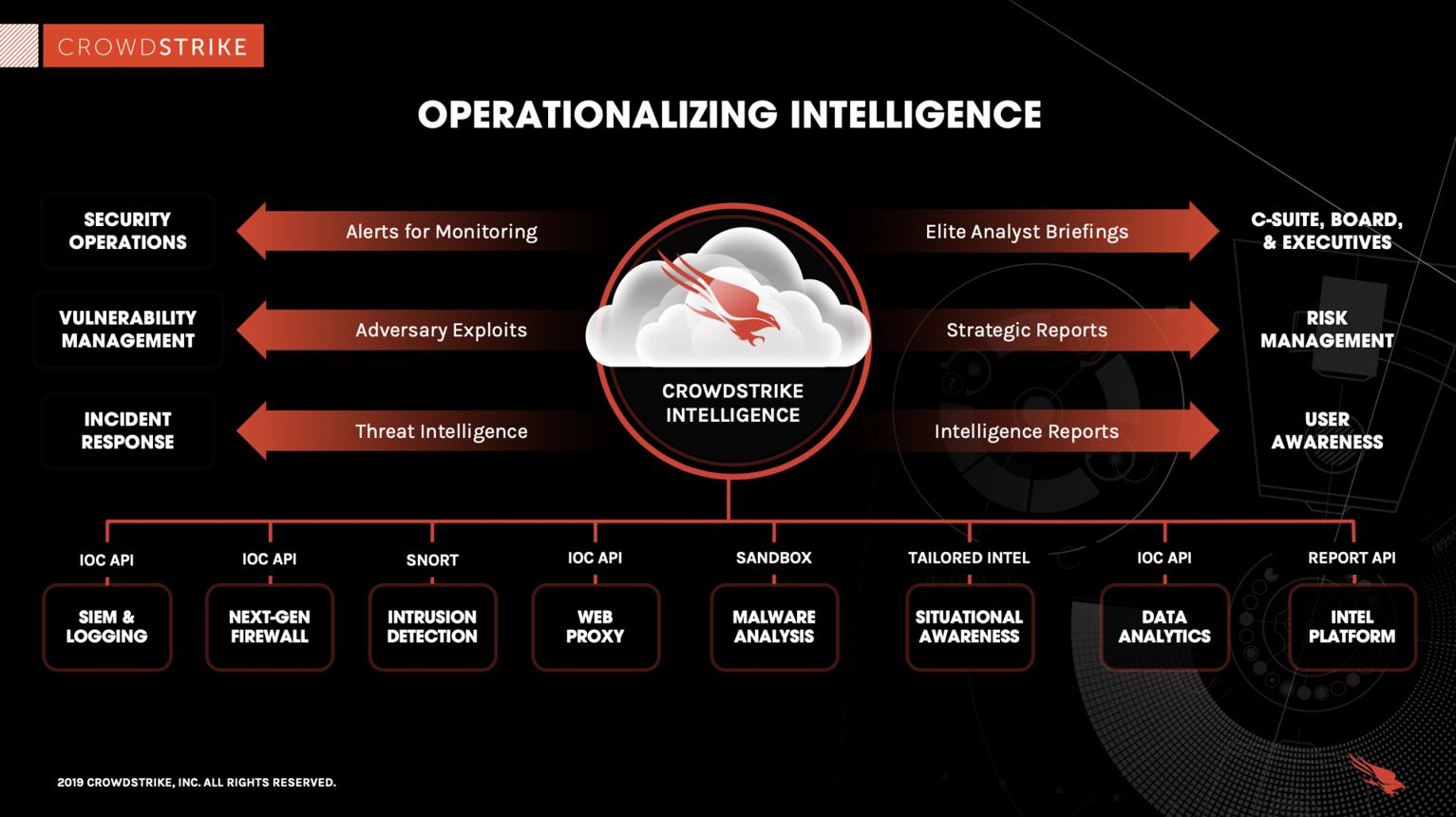
CrowdStrike remains the gold standard for AI-powered endpoint security. In 2026, its integration of Charlotte AI has transformed it from a monitoring tool into a conversational security partner. It uses massive datasets to identify “Indicator of Attack” (IOA) patterns rather than just looking for “bad files.”
How it works: It utilizes a cloud-native architecture and behavioral AI to monitor every action on a laptop, server, or mobile device.
Why Professionals Use It: SOC analysts use it because it automates the “triage” process, summarizing complex attacks into plain English, allowing responders to act with unprecedented speed.
2. Darktrace: The Digital Immune System
Darktrace is famous for its “Enterprise Immune System,” which doesn’t rely on a list of known threats. Instead, it uses self-learning AI to understand the unique “Pattern of Life” for every user and device in your specific organization.
Mechanism: When a user suddenly starts accessing files they’ve never touched before at 3 AM, Darktrace identifies this as an anomaly and can autonomously block that specific connection while leaving the rest of the user’s access intact.
Best For: It is particularly powerful against insider threats and “zero-day” attacks that haven’t been documented by other security vendors yet.
3. Microsoft Security Copilot: The Force Multiplier
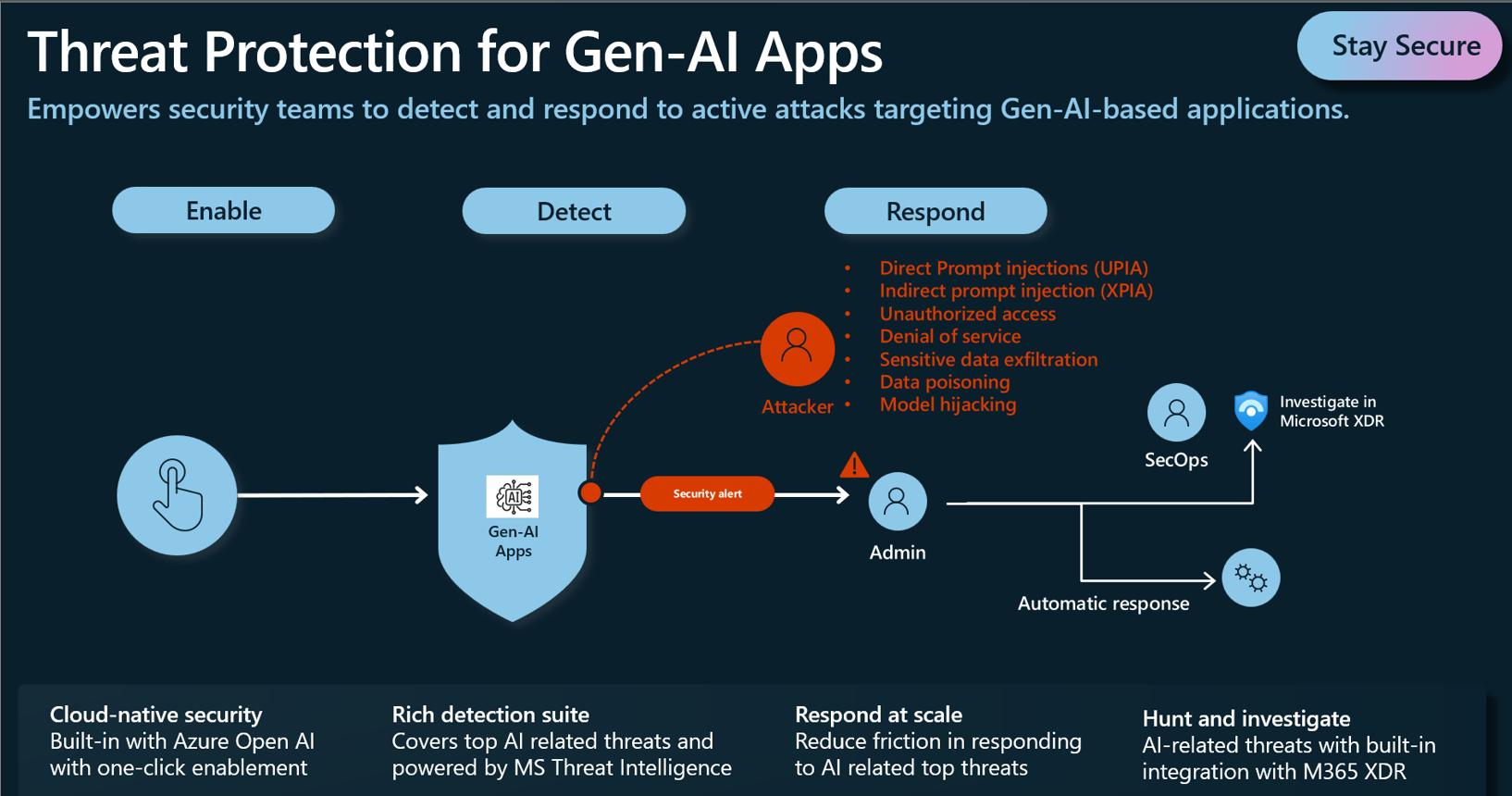
Microsoft Security Copilot is a generative AI assistant that works across the entire Microsoft 365 and Azure security stack. It allows analysts to “ask” their data questions in natural language, such as: “Show me all devices affected by the latest phishing campaign.”
Key Value: It drastically reduces “alert fatigue” by correlating thousands of minor signals into one cohesive story.
2026 Impact: It acts as a mentor for junior analysts, providing step-by-step guidance on how to perform complex incident response tasks that would otherwise require years of experience.
4. Splunk AI Assistant: The SIEM Powerhouse
Splunk has long been the leader in log analysis, but in 2026, its AI Assistant has turned “big data” into “fast data.” It uses machine learning to correlate logs from hundreds of different sources simultaneously.
Benefits: It identifies suspicious activities hidden deep within mountains of server logs.
FireShark Connection: Mastery of Splunk AI is a core pillar of modern cybersecurity education, as it teaches professionals how to handle the massive data volumes typical of large enterprise environments.
5. IBM QRadar Suite: Intelligent Threat Prioritization
The QRadar Suite is an AI-powered SIEM (Security Information and Event Management) platform designed for massive-scale enterprise environments. Its primary strength is intelligent prioritization.
Feature Focus: It doesn’t just list threats; it uses AI to “score” them based on severity and probability, ensuring that analysts spend their first hour of the day on the most critical risks.
Outcome: This centralized approach ensures that even in a network with 50,000 devices, the “signal” is never lost in the “noise.”

6. SentinelOne Singularity: Autonomous XDR
SentinelOne is built on the philosophy of “Zero Dwell Time.” Its AI operates directly on the endpoint, allowing it to stop an attack even if the device is offline and disconnected from the cloud.
The “Rollback” Feature: One of its most popular tools is the ability to automatically “undo” the effects of a ransomware attack, restoring files to their original state with a single click.
Why It’s Popular: Its autonomy means it can act faster than any human operator, making it the ultimate defense against high-speed automated malware.
7. Palo Alto Cortex XDR: Cross-Platform Correlation
Palo Alto Networks has redefined the “SOC of the Future” with Cortex XDR. It combines AI, analytics, and automation to detect threats that span across endpoints, networks, and cloud environments.
The XSIAM Revolution: By using XSIAM (Extended Security Intelligence and Automation Management), it effectively replaces traditional, slower SIEMs with an AI-first data lake.
Best For: Advanced threat hunters who need to see the “big picture” of how an attacker is moving across different parts of the business infrastructure.
8. ChatGPT and Generative AI for Cybersecurity
While not a dedicated “security tool” in the traditional sense, Generative AI like ChatGPT has become a daily companion for security professionals.
Versatile Uses: Analysts use it to write Python scripts for automation, summarize 50-page threat intelligence reports, and even assist in reverse-engineering suspicious code.
Pro Tip: As platforms like FireShark teach, the key is using these tools responsibly. While they help us write better defense scripts, they are also being used by hackers to write better phishing emails.

Comparison Table: Choosing the Right Tool
| Tool | Category | Primary Strength |
| CrowdStrike | Endpoint (EDR) | Speed and Charlotte AI assistance. |
| Darktrace | Network | Detecting “unknown” or “zero-day” anomalies. |
| MS Copilot | AI Assistant | Natural language investigation and reporting. |
| Splunk AI | SIEM / Data | Correlating massive amounts of log data. |
| SentinelOne | Endpoint (XDR) | Autonomous response and ransomware rollback. |
| Cortex XDR | Automation | Unifying network and cloud security data. |
Challenges and The Path Forward
Despite the power of AI, it is not a “magic button.” Cybersecurity professionals in 2026 face unique challenges:
False Positives: AI can sometimes flag legitimate employee behavior as a threat.
Adversarial AI: Hackers are using AI to “poison” the data that security tools learn from.
Skill Gaps: There is a high demand for professionals who know how to manage these AI tools, not just install them.
Expert Insight: The future belongs to the “Augmented Analyst”—someone who combines human intuition and ethical judgment with the processing power of AI.
Conclusion
The AI tools of 2026—from CrowdStrike’s Agentic AI to SentinelOne’s autonomous rollback—have shifted the advantage back to the defenders. However, these tools are only as effective as the people who operate them. Human expertise remains the “brain” behind the “muscle” of AI.
By mastering platforms like Microsoft Security Copilot and Darktrace, and staying updated through practical training from leaders like FireShark, you can ensure that you aren’t just a bystander in the AI revolution, but a leader. The future of cybersecurity is silent, autonomous, and intelligent—and the time to prepare for it is now.
Frequently Asked Questions (FAQs)
1. What are AI-powered cybersecurity tools?
They are software platforms that use machine learning algorithms to automate the detection, analysis, and neutralization of cyber threats in real-time.
2. Is human intervention still needed?
Yes. AI handles the “heavy lifting” of data analysis, but humans are required for high-level strategy, ethical decisions, and investigating complex cases that AI might misinterpret.
3. Which tool is best for beginners?
CrowdStrike Falcon and Microsoft Security Copilot are excellent for beginners because they use natural language interfaces that make complex data easy to understand.
4. Can AI stop ransomware?
Tools like SentinelOne and CrowdStrike are specifically designed to stop ransomware by detecting the behavior of file encryption and blocking it instantly.
5. How do I learn to use these tools?
Start with foundational certs like Security+ or CEHv13, and then pursue hands-on, lab-based training from platforms like FireShark that simulate real-world attacks.