Introduction
Artificial Intelligence (AI) is transforming the digital world in incredible ways, but cybercriminals are also using this technology for dangerous purposes. One of the fastest-growing cyber threats today is deepfake scams.
Deepfakes are AI-generated fake videos, audio recordings, or images designed to look and sound real. In 2026, these scams have become so advanced that they are nearly indistinguishable from genuine media. They create serious risks for businesses, governments, and everyday internet users alike. Cybersecurity experts warn that as deepfake tools become more accessible via “Deepfake-as-a-Service” (DaaS) platforms, the frequency of these attacks is skyrocketing, targeting our most fundamental asset: trust.
What Are Deepfakes?
Deepfakes are digitally manipulated media created using deep learning—a subfield of AI. By training models on thousands of photos, videos, or voice samples of a target, attackers can generate hyper-realistic content.
Deepfakes typically include
-
AI-Generated Voice Calls: Cloning a person’s voice with as little as three seconds of audio.
-
Fake Video Messages: Using “face-swapping” to make someone appear to say things they never did.
-
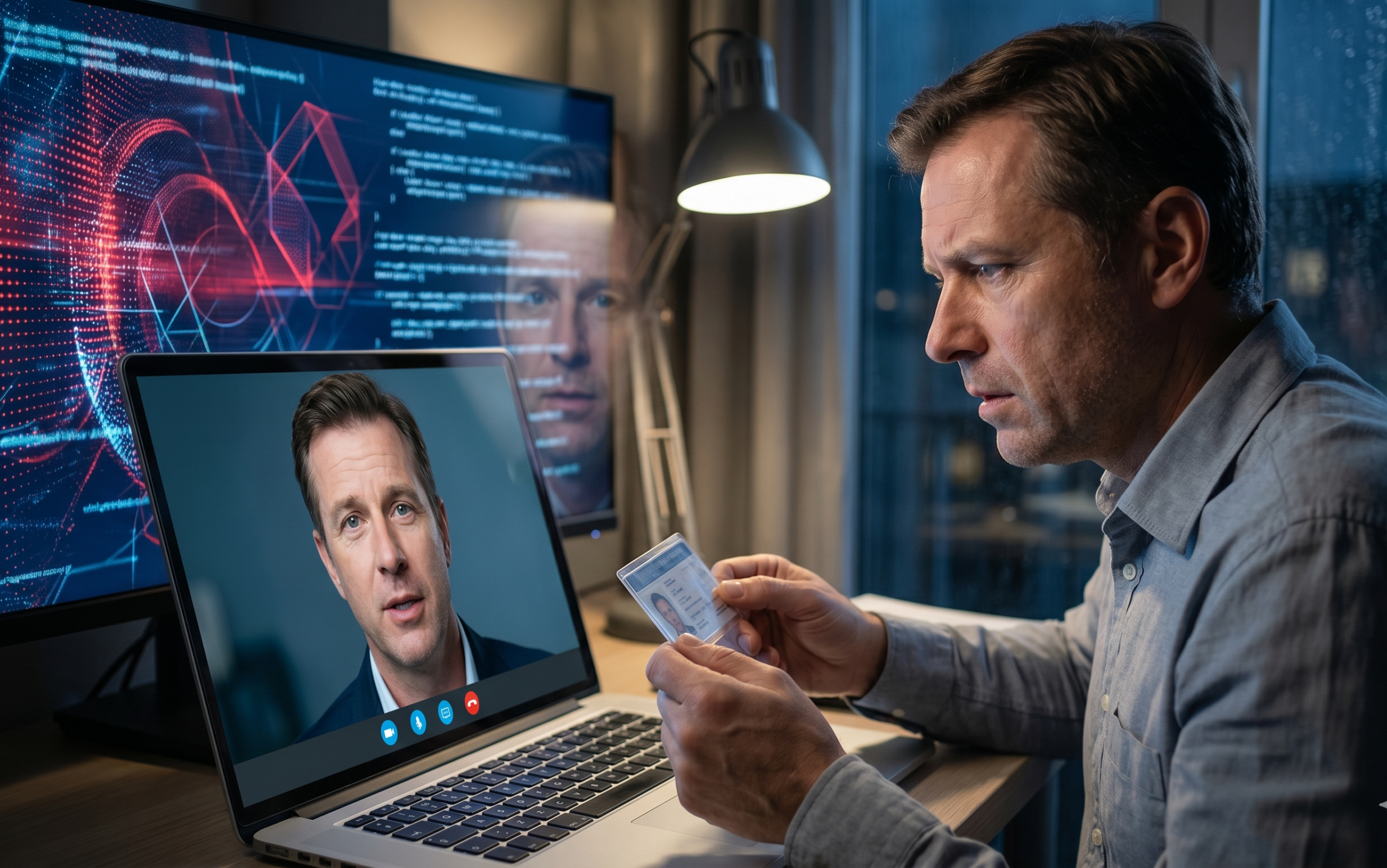
Live Video Impersonation: Sophisticated filters used during real-time video meetings (Zoom, Teams).
-
Synthetic Identities: Combining real and fake data to create entirely new, “credible” digital personas.
How Cybercriminals Use Deepfake Scams
1. Financial Fraud (The “CEO Gift Card” evolved)
Cybercriminals now use deepfake voice and video to impersonate high-level executives. In a famous 2024–2025 case, a finance employee at a multinational firm was tricked into transferring $25 million after attending a video call where every other participant—including the CFO—was a deepfake.
2. Social Engineering and Phishing
Unlike traditional phishing emails filled with typos, deepfake phishing is perfectly personalized. Scammers may send a voice note from “your boss” or a video of a “colleague” asking for urgent access to a secure server.
3. Identity Theft and Biometric Bypassing
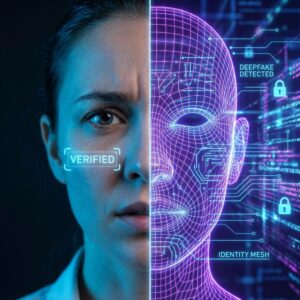
As companies move toward facial recognition and voice authentication, hackers are using deepfakes to bypass these biometric “liveness” checks. By 2026, it is estimated that 30% of enterprises no longer consider standalone biometric ID as fully reliable.
4. Reputation Damage and Misinformation
Deepfakes are used to create fake scandals, manipulated political speeches, or “leaked” recordings of company secrets to manipulate stock prices or public opinion.
How to Detect Deepfakes in 2026
While AI is getting better, most deepfakes still leave “digital fingerprints” if you know where to look:
| Category | What to Watch For |
| Visual Artifacts | Unnatural blinking, blurred edges around the face, or mismatched shadows. |
| Audio Glitches | Robotic pacing, unusual breathing patterns, or inconsistent background noise. |
| Synchronicity | Lip movements that don’t perfectly align with the sounds (even by milliseconds). |
| Behavioral Cues | Unusual urgency, requests for secrecy, or pressure to bypass standard protocols. |
How to Protect Yourself and Your Business
-
Establish “Out-of-Band” Verification: If you receive a suspicious video call from an executive asking for money, hang up and call them back on their known personal number or verify via an encrypted chat app like Slack/Teams.
-
Use Pre-Shared Code Words: For high-stakes financial operations, teams are now using secret verbal “passphrases” to verify identities during unscheduled calls.
-
Deploy AI Detection Tools: Utilize enterprise-grade scanners like Reality Defender or Intel’s FakeCatcher, which analyze biological signals (like blood flow in pixels) to spot fakes.
-
Liveness Testing: Ensure your security systems require “active” liveness checks (e.g., asking the user to turn their head or smile) rather than just a static face scan.
-
Employee Training: Platforms like FireShark provide hands-on simulations where employees can practice identifying AI-generated scams in a safe environment.
Challenges and the Future of Deepfakes
The “arms race” between deepfake creators and detectors is accelerating. In 2026, we are seeing the rise of multimodal AI, where attackers sync voice, video, and text in real-time, making “gut feelings” less reliable. The future of security will likely rely on cryptographic watermarking—where every piece of genuine media is digitally “signed” at the moment of creation to prove its authenticity.
Conclusion
Deepfake technology represents a paradigm shift in the cybersecurity landscape, moving the battlefield from technical exploits to the exploitation of human psychology. By moving away from the assumption that “seeing is believing” and adopting a rigorous verification mindset, organizations can shield themselves from the devastating financial and reputational impacts of synthetic media. In an era where AI can clone a voice in seconds and a face in minutes, the “Never Trust, Always Verify” principle of Zero Trust is no longer optional—it is the baseline for digital survival.
As we navigate 2026, the sheer scale and realism of these scams mean that traditional defenses are being rendered obsolete. Success in this new environment requires a proactive, multi-layered defense that combines cutting-edge detection software with a highly skeptical and well-trained workforce. We must treat every digital interaction with the same level of scrutiny we apply to our most sensitive data, ensuring that “trust” is something that is continuously earned through verification rather than granted by appearance.
Ultimately, the goal is not just to build a better filter, but to build a more resilient digital culture. By investing in awareness through platforms like FireShark and implementing robust authentication protocols, businesses can turn a major threat into a manageable risk. The age of deepfakes is here, and while we may not be able to stop the technology from evolving, we can certainly evolve our defenses to stay one step ahead of those who wish to weaponize it.
FAQs
1. Can deepfakes be detected by the naked eye?
In some cases, yes (unnatural blinking or lip-syncing), but high-quality “pro” deepfakes often require AI-powered detection tools to spot.
2. Is it expensive for scammers to make a deepfake?
No. In 2026, “Deepfake-as-a-Service” allows anyone to rent high-powered AI tools for a small fee, making these attacks highly scalable.
3. Does 2FA (Two-Factor Authentication) stop deepfakes?
Standard 2FA (like SMS codes) helps, but “voice deepfakes” can sometimes be used to trick employees into giving up those codes over the phone.
4. What is the most common industry targeted?
The Finance and Crypto sectors are the most targeted due to the high potential for immediate monetary gain.
5. How can I verify a person in a video call?
Ask them to perform an unexpected action, like turning their head quickly or holding a hand in front of their face. These actions often “break” the AI overlay in real-time.