Introduction
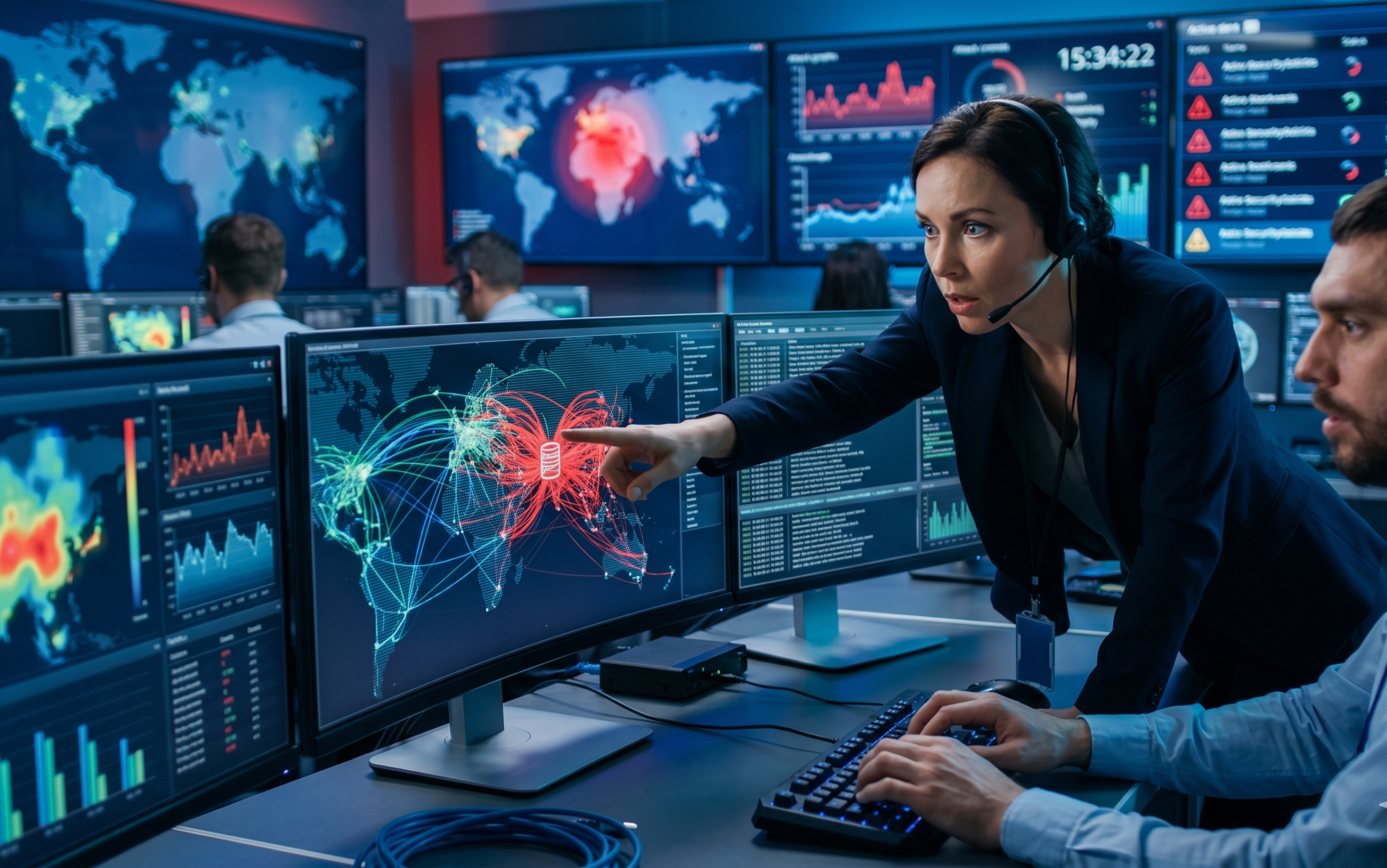
Cyberattacks are becoming faster, smarter, and more dangerous every year. Modern organizations face constant threats such as ransomware, phishing attacks, malware infections, insider threats, and data breaches. To defend against these attacks, companies rely on Security Operations Centers (SOCs) and the skilled SOC Analysts who monitor systems 24/7.
A SOC Analyst acts as the frontline defender of an organization’s cybersecurity infrastructure. Their main responsibility is to detect suspicious activities, investigate threats, and respond to attacks before serious damage occurs. In this blog, we will explore the real-time daily workflow of these digital guardians, the tools they use, and why they are the backbone of modern cyber defense.
What is a Security Operations Center (SOC)?
A Security Operations Center is a centralized hub where a cybersecurity team monitors, detects, analyzes, and responds to security incidents. Instead of looking at security as a series of isolated walls, the SOC views the entire organization as an ecosystem.
The Role of the SOC Analyst
A SOC Analyst is the professional on the ground—or rather, behind the screen—responsible for this monitoring. They usually work in shifts to ensure 24/7/365 protection, performing tasks such as:
Monitoring security alerts for anomalies.
Investigating suspicious behavior to separate real threats from “false positives.”
Threat hunting to find hidden attackers before they trigger an alarm.
Managing SIEM tools and reporting incidents to stakeholders.
Why Real-Time Detection is Non-Negotiable
In 2026, cybercriminals can compromise a system and begin data exfiltration within minutes. If an attack isn’t caught immediately, the consequences are devastating: massive financial loss, total business downtime, and irreversible reputation damage.
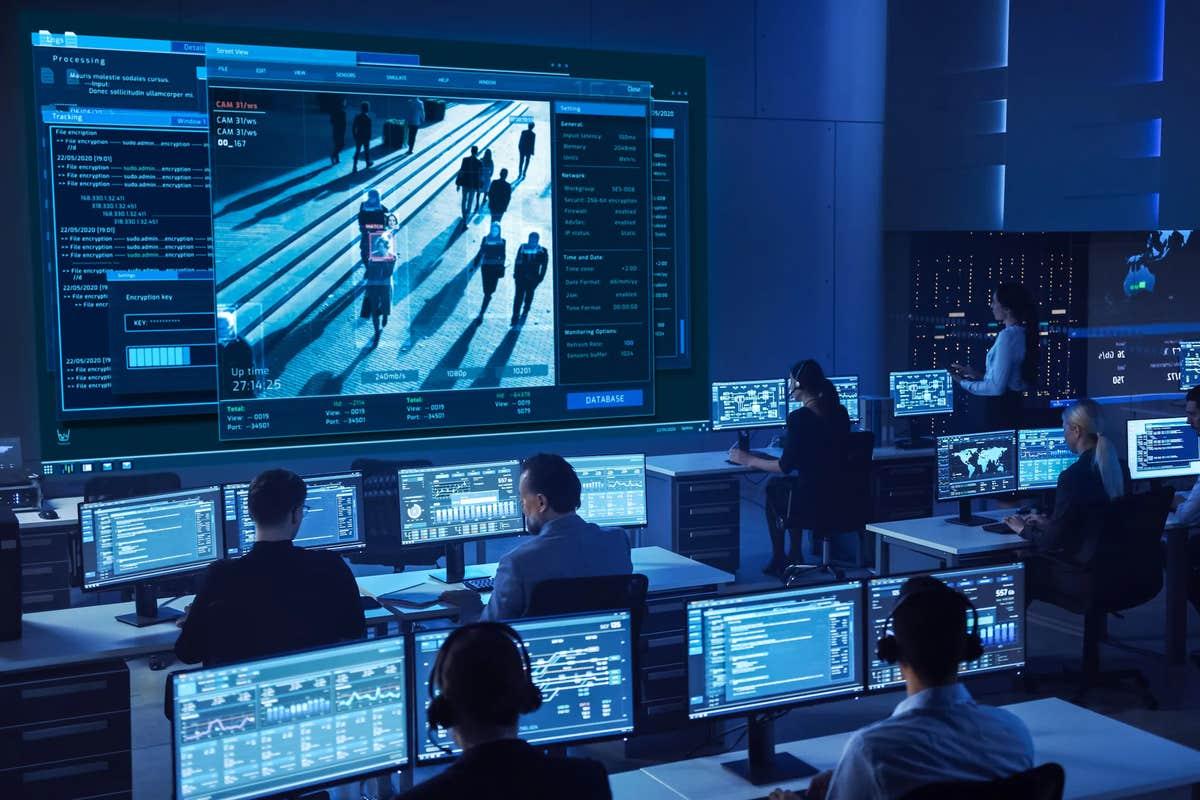
Real-time monitoring allows organizations to stop attackers in their tracks, protect sensitive customer data, and maintain business continuity even while under fire. Modern giants like Microsoft, Cisco, and Google, alongside specialized training platforms like FireShark, emphasize that a rapid incident response strategy is the only way to survive the modern threat landscape.
How SOC Analysts Detect Attacks
1. SIEM: The Central Nervous System
The most critical tool in any SOC is the SIEM (Security Information and Event Management) system. Tools like Splunk, IBM QRadar, and Microsoft Sentinel collect logs from every device on the network and correlate them. If a user logs in from New York and then two minutes later from London, the SIEM flags it instantly for the analyst to review.
2. EDR and Endpoint Visibility
Endpoint Detection and Response (EDR) platforms like CrowdStrike Falcon or SentinelOne monitor the actual devices (laptops, servers, mobiles). They look for “process injection” or unauthorized file encryption—the classic signs of ransomware.
3. AI and Behavioral Analytics
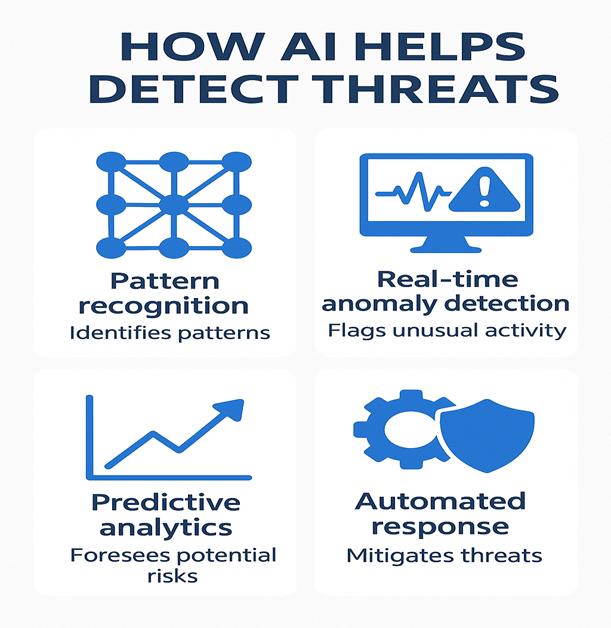
Traditional antivirus looks for “known” bad files. Modern SOCs use Artificial Intelligence (AI) to look for “known” bad behavior. If a quiet account suddenly starts downloading thousands of files, AI-driven behavioral analytics will alert the SOC Analyst to a potential insider threat or account compromise.
The SOC Response Playbook: Step-by-Step
When an alert turns red, the SOC Analyst springs into action following a structured incident response process:
| Step | Action | Description |
| Validation | Alert Analysis | The analyst determines if the threat is a “True Positive” or a “False Positive.” |
| Investigation | Evidence Gathering | Collecting logs, malware samples, and network traffic to see how the attacker got in. |
| Containment | Stopping the Spread | Isolating infected workstations or disabling compromised user accounts. |
| Eradication | Cleaning the System | Removing malware, deleting malicious files, and patching the entry-point vulnerability. |
| Recovery | Restoration | Restoring data from backups and bringing systems back online safely. |
| Post-Mortem | Lessons Learned | Reviewing the attack to ensure it never happens again. |
Common Attacks Handled by SOC Teams
Phishing: Deceptive emails aimed at stealing credentials.
Ransomware: The “final boss” of attacks, where data is held for ransom.
DDoS Attacks: Overwhelming a website with traffic to shut it down.
Insider Threats: Accidental or malicious data leaks from within the company.
Note: Platforms like FireShark help organizations bridge the gap between detection and response by training analysts in these specific real-world scenarios through hands-on labs.
Challenges and the Future of SOC Operations
The life of a SOC Analyst isn’t easy. They face “Alert Fatigue”—the sheer volume of daily notifications can be overwhelming. Furthermore, attackers are now using AI to automate their own hacks.
To combat this, the Future of SOC lies in SOAR (Security Orchestration, Automation, and Response). This technology automates the “boring” parts of the job, allowing analysts to focus on high-level threat hunting and complex problem-solving.
Conclusion
SOC Analysts are the indispensable backbone of modern cybersecurity. As cyber threats evolve into faster, AI-driven entities, the human element—the ability to investigate, think critically, and respond decisively—remains an organization’s strongest defense. By leveraging advanced tools like SIEM and EDR, and following a rigorous response playbook, SOC teams ensure that even the most sophisticated attacks are met with an immediate and effective countermeasure.
In the high-stakes digital world of 2026, a company’s resilience is defined by the speed of its SOC. Investing in talented analysts and cutting-edge platforms like FireShark is no longer just a “tech choice”; it is a fundamental business necessity for survival. Whether they are stopping a ransomware infection in its tracks or identifying a stealthy insider threat, SOC Analysts remain the silent guardians of our digital lives.
FAQs
1. What is the main role of a SOC Analyst?
A SOC Analyst monitors network traffic and security alerts to detect and respond to cyber threats in real time.
2. Which tool is most common for log monitoring?
Splunk and Microsoft Sentinel are industry favorites for log correlation and threat detection.
3. Why is “Containment” so important?
Containment stops the attack from moving “laterally” to other computers, preventing a single infected laptop from becoming a company-wide disaster.
4. Can AI replace SOC Analysts?
No. While AI is great at spotting patterns, it lacks the human intuition needed to understand the context and intent of a complex attack.
5. What is the first step when an analyst sees an alert?
The first step is Validation—confirming that the alert is a real threat and not a system error or a legitimate user action.