
Introduction
In today’s hyper-connected digital world, traditional passwords have become the weakest link in the cybersecurity chain. For decades, users have been trapped in an endless cycle of creating complex passwords, forgetting them, reusing them across multiple platforms, or unknowingly surrendering them to sophisticated phishing campaigns. As cyber threats—particularly AI-driven social engineering—continue to evolve at a breakneck pace in 2026, organizations are rapidly migrating toward a smarter, more resilient solution: Passwordless Authentication.
Passwordless authentication is fundamentally transforming how users access applications, enterprise networks, and personal systems. By eliminating the reliance on memorized credentials and replacing them with secure, possession-based or biometric verification methods, this modern approach drastically improves both organizational cybersecurity and the end-user experience. It is no longer just a “tech trend”; it is the definitive future of digital identity.
Understanding Passwordless Authentication
Passwordless authentication is exactly what it sounds like: a login architecture that allows users to access their accounts without ever typing a traditional text-based password. Instead of relying on a “shared secret” (a password stored on a server that can be stolen), users verify their identity through highly secure, device-bound technologies.
This method shifts the security paradigm from “something you know” (which can be forgotten or stolen) to “something you have” (a device) or “something you are” (biometrics). By doing so, it effectively neutralizes the majority of automated cyberattacks.
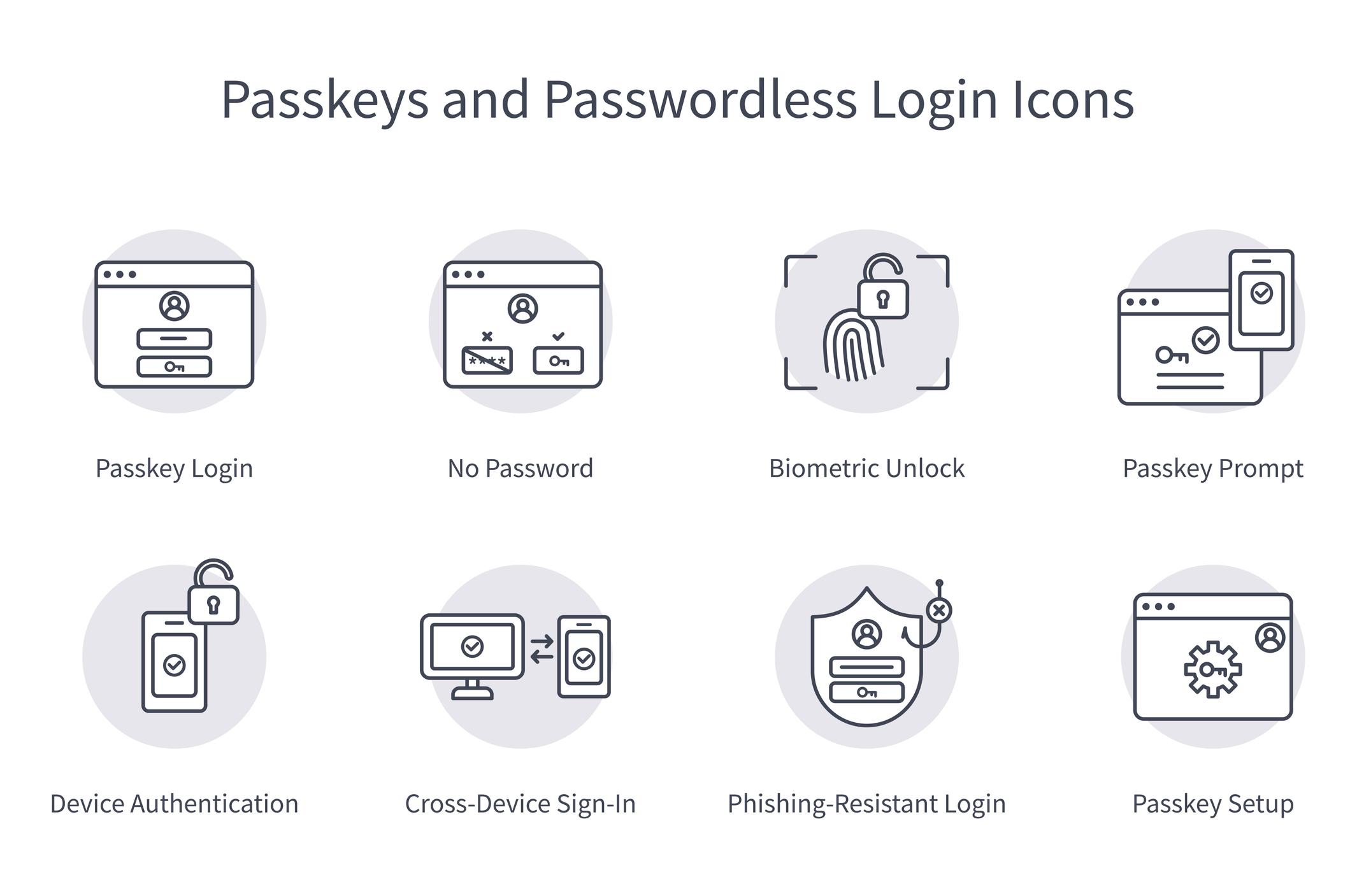
Common passwordless authentication methods include
-
Biometrics: Fingerprint and facial recognition.
-
Passkeys: Cryptographic credentials based on FIDO standards.
-
Hardware Security Keys: Physical USB or NFC tokens (e.g., YubiKeys).
-
Authenticator Apps: Time-based one-time passcodes (TOTP) or push notifications.
-
Magic Links: Secure, single-use login URLs sent via email.
Why Traditional Passwords Are No Longer Safe
Cybercriminals have industrialized the theft of passwords. Through AI-generated phishing emails, credential stuffing (using bots to test stolen passwords across thousands of sites), keyloggers, and massive underground data brokers, passwords are breached on a daily basis.
According to the 2026 Verizon Data Breach Investigations Report (DBIR), credential abuse remains a factor in 39% of all global data breaches. Even if a user creates a 20-character complex password, it is useless if the database storing it is breached or if the user is tricked into typing it into a fake website.
Furthermore, the administrative burden of passwords is staggering. IT departments spend millions of dollars and countless hours simply managing password resets and locking down compromised accounts. Passwordless authentication solves the root cause of these issues by completely removing the password from the equation.
How Passwordless Authentication Works
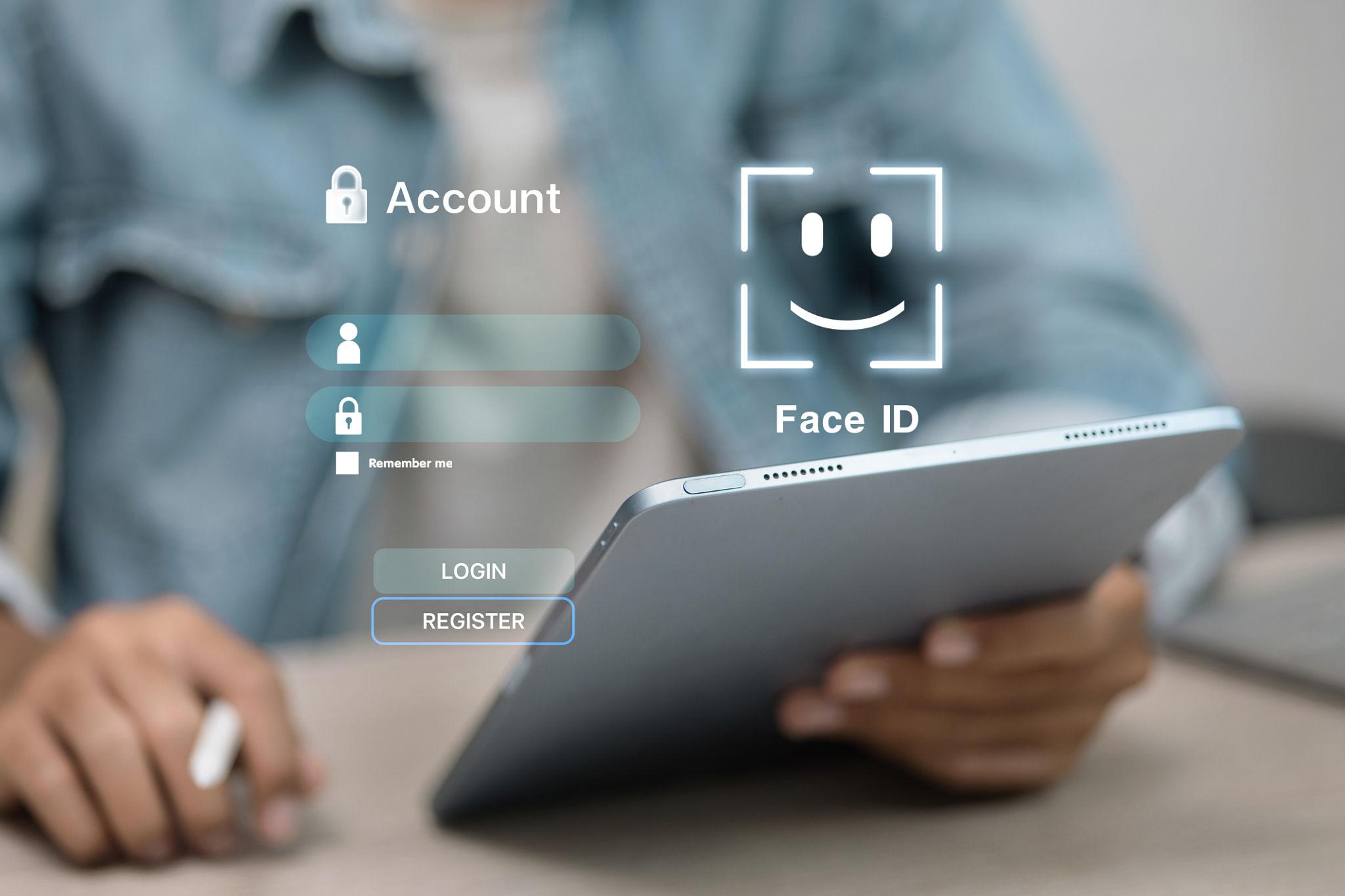
Passwordless systems rely on asymmetric cryptography and local verification, making them mathematically and physically difficult for attackers to compromise. Instead of storing a hackable password on a central server, authentication relies on cryptographic key pairs.
Here is the underlying mechanism
When you register for a passwordless service, your device generates a unique pair of cryptographic keys: a public key and a private key.
-
The public key is sent to the company’s server. (If hackers steal this, it is useless to them without the private key).
-
The private key never leaves your device and is locked inside a secure hardware chip (like the Secure Enclave on an iPhone or a TPM chip on a PC).
-
When you log in, the server issues a mathematical “challenge.” Your device uses its hidden private key to solve the challenge and unlock the account. The user authorizes this process locally—usually by scanning their fingerprint or face.
Because the private key is never transmitted across the internet, it cannot be intercepted or phished.
Types of Passwordless Authentication
1. Passkeys and FIDO Authentication
By 2026, Passkeys have become the gold standard for secure, password-free logins. Developed by the FIDO (Fast Identity Online) Alliance and championed by tech giants like Google, Microsoft, and Apple, passkeys synchronize cryptographic keys across a user’s ecosystem (e.g., across all Apple devices via iCloud Keychain).
2026 Milestone: The FIDO Alliance reported in May 2026 that an estimated 5 billion passkeys are now in active use globally, signaling a massive shift in consumer and enterprise habits.
2. Biometric Authentication
Biometrics use unique physical or behavioral characteristics—such as fingerprints (Touch ID), facial recognition (Face ID), iris scans, or voice patterns—to verify identity. Because this data is verified locally on the user’s device and never sent to a central server, it is highly secure and offers the most frictionless user experience.
3. Hardware Security Keys
Hardware security keys are physical tokens (like a YubiKey) that plug into a USB port or connect via NFC/Bluetooth. These devices provide ultimate protection because authentication is impossible unless the physical key is present. They are heavily relied upon by government agencies, system administrators, and organizations handling classified information.
4. Magic Links and OTP-Based Login
Some platforms rely on “Magic Links” sent to a user’s email or One-Time Passwords (OTPs) sent via SMS. While these remove the need to memorize a password, they are considered the weakest form of passwordless security. SMS-based OTPs, in particular, are highly vulnerable to SIM-swapping attacks, where a hacker tricks a telecom provider into rerouting the victim’s text messages.
Benefits of Passwordless Authentication
| Benefit | How it Impacts the Organization |
| Eradication of Phishing | Since passkeys and security keys only work on the specific domain they were registered for, users cannot be tricked into logging into a fake phishing site. |
| Superior User Experience (UX) | Users log in instantly with a glance or a touch, completely removing the frustration of forgotten passwords and complex character requirements. |
| Drastic IT Cost Reduction | Helpdesks spend up to 30% of their time on password resets. Passwordless systems virtually eliminate these support tickets, saving enterprise organizations millions annually. |
| Compliance and Security | Eliminates the risk of credential stuffing and password reuse, helping organizations meet strict regulatory compliance standards (like zero-trust architectures). |
Challenges of Passwordless Authentication
Despite its overwhelming advantages, the transition to a password-free world has its hurdles:
-
Device Dependency: If an authentication system is entirely tied to a smartphone, a lost, broken, or stolen phone can create a complex account recovery process.
-
Legacy System Compatibility: Older, legacy enterprise software often lacks the infrastructure to support modern FIDO protocols, forcing IT teams to maintain a hybrid environment.
-
Privacy Apprehensions: Although biometric data is stored locally, many consumers still hold misconceptions that companies are storing and tracking their fingerprints or facial scans in the cloud.
Passwordless Authentication in Businesses
Modern organizations are rapidly adopting passwordless solutions as a core component of their cybersecurity defense. High-risk industries such as banking, healthcare, and critical infrastructure are leading the charge. Furthermore, the permanent shift toward remote and hybrid work environments has accelerated the need to secure digital identities outside of the traditional corporate office.
Cybersecurity training platforms and security-focused organizations, such as FireShark, are emphasizing passwordless architectures in their modern curricula. For SOC analysts and IT administrators, understanding how to deploy and troubleshoot FIDO protocols is now an essential career skill.
The Role of AI in Passwordless Security
Artificial Intelligence is the invisible shield enhancing passwordless authentication. Rather than just checking if a passkey is correct, AI-powered systems perform Continuous Adaptive Authentication. The AI silently analyzes contextual data in real-time:
-
Login Geolocation: Is the user logging in from a familiar city?
-
Device Posture: Is the device known, updated, and secure?
-
Behavioral Biometrics: Is the user typing or moving the mouse in their usual pattern?
If the AI detects anomalies—for example, an employee logging in from London ten minutes after logging out in New York—it will dynamically increase the “Risk Score” and prompt for additional verification, or block the login entirely.
The Future of Passwordless Authentication
The future of digital security is entirely password-free. As cyber threats become more automated and AI-generated, relying on human memory for security is a losing battle. The widespread integration of Passkeys across major operating systems has finally made passwordless authentication accessible to the average consumer, not just tech enthusiasts.
By 2026, organizations that transition to passwordless architectures are not just improving their security posture; they are streamlining business operations and building digital trust. Those who cling to traditional passwords will find themselves increasingly vulnerable to data breaches, regulatory fines, and reputational damage.
Conclusion
Passwordless authentication is redefining modern cybersecurity by eliminating one of the biggest weaknesses in digital security — passwords themselves. Through biometrics, passkeys, hardware security keys, and AI- powered authentication systems, organizations can create safer and more seamless login experiences. As cyberattacks continue evolving in 2026 and beyond, passwordless authentication will play a critical role in protecting digital identities, preventing phishing attacks, and securing online systems for individuals and businesses worldwide.
Frequently Asked Questions (FAQs)
1. What is passwordless authentication?
It is a modern login method that allows users to access accounts without using traditional text passwords. Instead, it relies on secure verification methods like biometrics, passkeys, or hardware security keys.
2. Is passwordless authentication actually more secure than passwords?
Yes, significantly. It virtually eliminates the risk of phishing, credential stuffing, password reuse, and brute-force attacks, as there are no passwords for attackers to steal or guess.
3. What are passkeys and how do they work?
Passkeys are digital credentials based on FIDO cryptographic standards. They consist of a public key stored on a server and a private key locked securely on your device. You unlock the private key locally using a PIN or biometrics (like Face ID) to log in seamlessly.
4. Can my fingerprint be stolen from a company’s server?
No. In true passwordless systems (like FIDO or Apple’s Face ID), your biometric data never leaves your physical device. The device only sends a cryptographic “yes” or “no” to the server to confirm your identity.
5. What happens if I lose my phone and I use passkeys?
Tech ecosystems (like Google, Apple, and Microsoft) now sync passkeys across your connected devices using secure cloud keychains. If you lose your phone, you can still access your accounts from a synced laptop or recover them by signing into your primary cloud account on a new device.