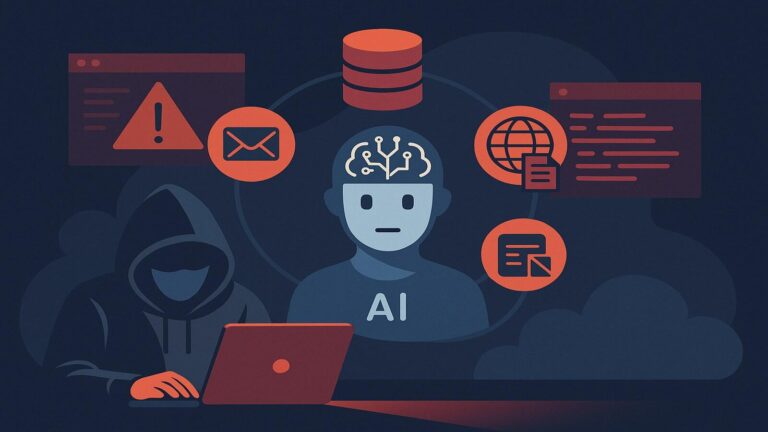
Artificial Intelligence has transformed software development in ways that seemed impossible just a few years ago. Developers can now generate code snippets, automate repetitive programming tasks, create documentation, and even build entire applications with the help of AI-powered coding assistants. These tools have dramatically increased productivity and reduced development time. However, alongside these benefits comes a growing cybersecurity concern that many organizations are only beginning to understand: malicious AI hallucinations in code.
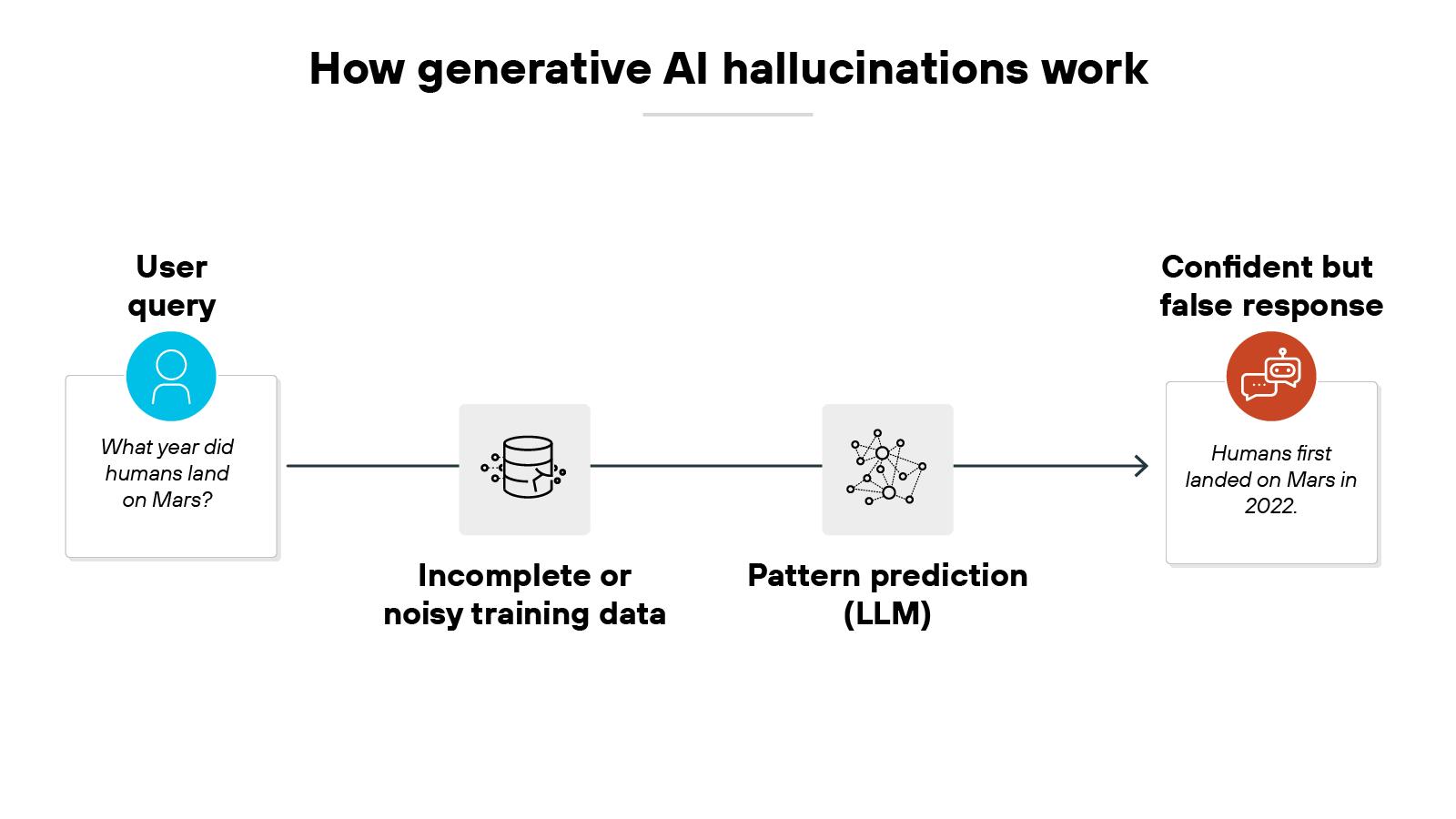
AI hallucinations occur when an AI system generates information that appears correct but is actually inaccurate, misleading, or completely fabricated. In the context of software development, hallucinations can result in vulnerable code, fake functions, nonexistent libraries, insecure configurations, or dangerous programming practices. While accidental hallucinations are already a challenge, the rise of malicious exploitation of AI-generated code presents an even greater threat to organizations, developers, and users worldwide.
Understanding AI Hallucinations in Software Development
When developers use AI coding assistants, they often trust the generated output because it looks professional and technically correct. AI models are trained on vast amounts of publicly available code, documentation, and technical content. However, they do not truly understand programming logic in the same way humans do. Instead, they predict the most likely sequence of code based on patterns learned during training.
As a result, AI tools sometimes generate code that appears legitimate but contains hidden flaws. These flaws may include insecure authentication methods, outdated cryptographic algorithms, improper input validation, vulnerable database queries, or references to packages that do not actually exist.
The danger increases when developers accept AI-generated code without thorough review and testing. In fast-paced development environments, teams may prioritize speed over security, creating opportunities for vulnerabilities to enter production systems.
When Hallucinations Become a Cybersecurity Threat
Not all AI hallucinations are harmless mistakes. Cybercriminals have begun exploring ways to exploit these weaknesses for malicious purposes. Attackers understand that developers increasingly rely on AI-generated recommendations and may trust them without sufficient verification.
One common attack involves package hallucination. An AI assistant may suggest a software package or library that does not actually exist. Cybercriminals can identify these hallucinated package names and publish malicious versions to public repositories. When developers install the package suggested by the AI, they unknowingly introduce malware into their applications.
This attack method has gained significant attention because it combines social engineering with software supply chain compromise. Instead of directly attacking an organization, criminals manipulate the trust developers place in AI-generated suggestions.
The result can be devastating, including data theft, credential compromise, ransomware deployment, or unauthorized access to critical systems.
The Rise of AI-Assisted Supply Chain Attacks
Software supply chain attacks have become one of the most dangerous cybersecurity threats in recent years. Organizations rely heavily on third-party libraries, open-source components, and external dependencies to accelerate development.
AI hallucinations create new opportunities for attackers to infiltrate this supply chain. If an AI model recommends a fake dependency, malicious actors can quickly create and distribute a package under that name.
Developers may assume the package is legitimate because it was suggested by a trusted AI tool. Once installed, the malicious code can execute automatically during application builds or deployments.
This form of attack is particularly concerning because it bypasses traditional security awareness training. Developers are not being tricked by suspicious emails or fake websites; they are simply following recommendations from a tool they use every day.
Insecure Code Generation and Hidden Vulnerabilities
Another growing concern is the generation of insecure code patterns. AI coding assistants may produce code that functions correctly but fails to follow security best practices.
For example, an AI tool might generate:
- Hardcoded passwords
- Weak encryption methods
- Insecure API authentication
- Vulnerable SQL queries
- Poor session management
- Missing access controls
At first glance, the application appears to work perfectly. However, attackers can exploit these weaknesses once the software is deployed.
In many cases, developers with limited cybersecurity knowledge may not recognize these issues. The AI-generated code saves time during development but introduces significant risks that remain hidden until a security incident occurs.
The Problem of False Confidence
One of the most dangerous aspects of AI hallucinations is the confidence with which they are presented. AI-generated responses often appear authoritative and professionally written, making it difficult for users to distinguish between accurate and inaccurate information.
Developers may assume that if the code compiles successfully, it must also be secure. Unfortunately, functionality and security are not the same thing.
This false sense of confidence can lead organizations to deploy vulnerable applications, expose sensitive customer data, and create entry points for cyberattacks.
The challenge becomes even greater when junior developers rely heavily on AI tools without understanding the underlying security implications of the generated code.
Real-World Business Impact
The consequences of malicious AI hallucinations extend beyond technical issues. Businesses can face severe financial and reputational damage when vulnerabilities introduced through AI-generated code are exploited.
A successful attack may result in:
- Data breaches
- Regulatory penalties
- Financial losses
- Service disruptions
- Intellectual property theft
- Customer trust erosion
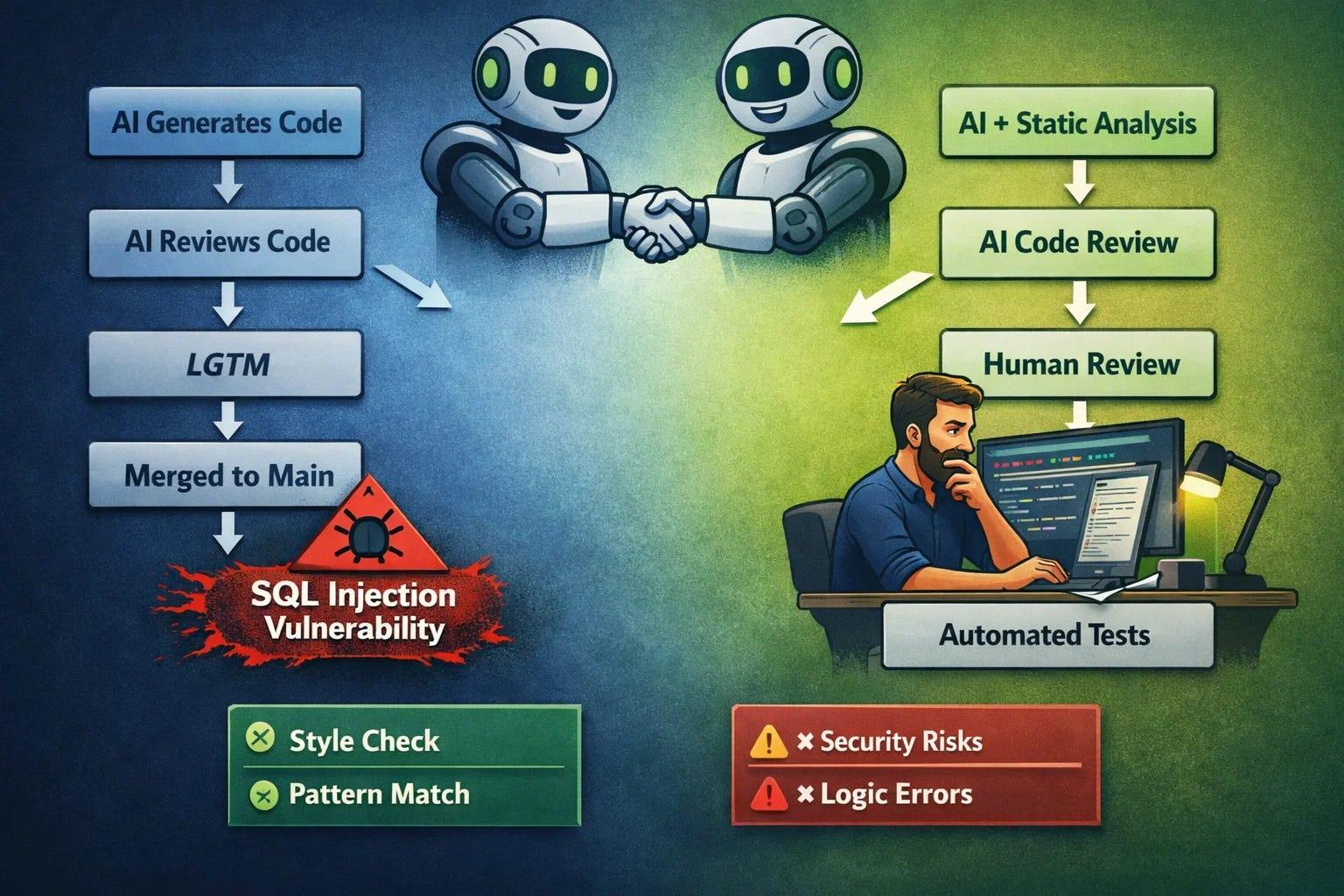
Organizations that depend heavily on AI-assisted development must recognize that AI-generated code requires the same level of security review as human-written code.
Ignoring this reality can create significant risks across the entire software development lifecycle.
How Organizations Can Defend Against AI Hallucination Risks
As AI adoption continues to grow, organizations must implement safeguards to reduce the risks associated with hallucinated code.
Security-focused code reviews should become mandatory for all AI-generated code. Automated vulnerability scanning tools can help identify insecure coding practices before deployment. Developers should verify package names, dependencies, and API references before integrating them into projects.
Training is equally important. Development teams need to understand that AI is an assistant, not an authority. Every recommendation should be validated through trusted documentation and security testing.
Organizations such as OpenAI, Microsoft, and Google continue improving the safety and accuracy of AI coding systems, but human oversight remains essential.
Cybersecurity-focused companies such as FireShark Technologies can also help organizations assess AI-related risks through security audits, code reviews, vulnerability assessments, and secure development practices.
The Future of AI-Assisted Development
AI coding assistants will undoubtedly remain a major part of modern software development. Their ability to improve productivity and accelerate innovation is too valuable to ignore. However, organizations must balance efficiency with security.
The future of secure AI-assisted development will depend on stronger validation mechanisms, better security testing, improved developer education, and more transparent AI systems.
Rather than blindly trusting AI-generated code, developers must treat it as a starting point that requires verification and review. The organizations that adopt this mindset will be better positioned to benefit from AI while minimizing the risks associated with malicious hallucinations.
Conclusion
The growing danger of malicious AI hallucinations in code represents a new frontier in cybersecurity. As developers increasingly rely on AI-powered coding tools, attackers are finding creative ways to exploit the trust placed in machine-generated recommendations.
From fake software packages and supply chain attacks to insecure coding practices and hidden vulnerabilities, the risks are real and growing. While AI can significantly improve productivity, it should never replace human judgment, security testing, or code review processes.
Organizations that recognize these challenges today will be better prepared to defend against tomorrow’s AI-driven threats. In the age of intelligent software development, security awareness and verification remain just as important as innovation.
FAQs
1. What is an AI hallucination in coding?
An AI hallucination in coding occurs when an AI tool generates code, functions, packages, or technical information that appears correct but is actually inaccurate, insecure, or completely fabricated.
2. Can AI-generated code contain security vulnerabilities?
Yes. AI-generated code may include insecure authentication methods, weak encryption, SQL injection vulnerabilities, hardcoded credentials, and other security flaws.
3. What are package hallucination attacks?
Package hallucination attacks occur when AI suggests nonexistent software packages and attackers create malicious versions of those packages to trick developers into installing them.
4. Should developers trust AI-generated code?
AI-generated code should be treated as a helpful starting point, but it should always be reviewed, tested, and validated before being used in production environments.
5. How can companies reduce AI hallucination risks?
Organizations can reduce risks through secure code reviews, dependency verification, vulnerability scanning, developer training, and regular cybersecurity assessments.