Introduction
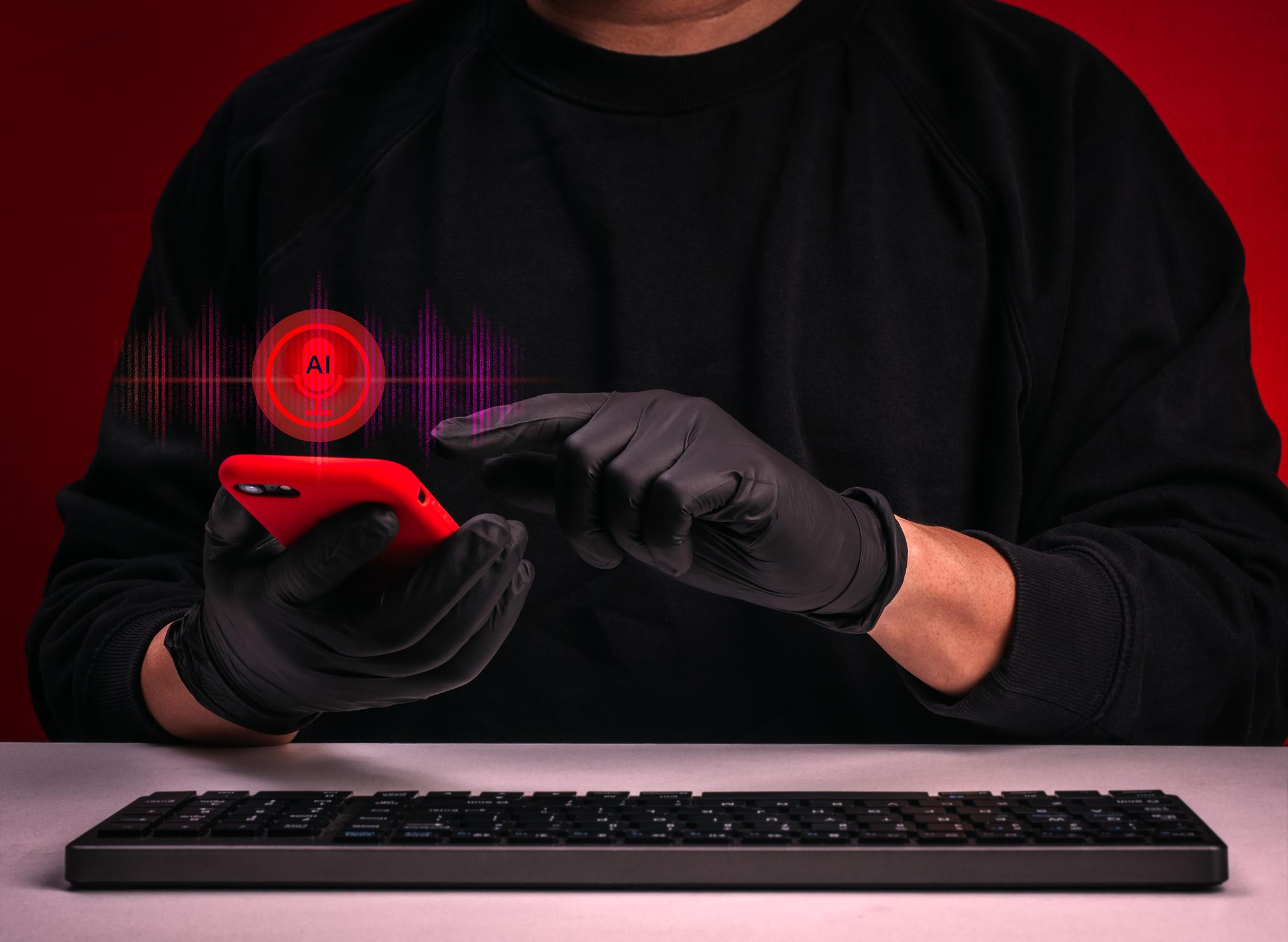
Artificial intelligence has transformed communication, automation, and digital experiences, but it has also introduced new threats that cybercriminals are exploiting with alarming effectiveness. One of the fastest-growing dangers is AI-driven voice cloning scams. Using advanced machine learning algorithms, attackers can recreate a person’s voice with remarkable accuracy using only a few seconds of audio gathered from social media videos, podcasts, voicemail greetings, or online interviews.
These synthetic voices are increasingly being used to impersonate family members, business executives, government officials, and customer support representatives. Victims often believe they are speaking to someone they trust, making voice cloning scams one of the most dangerous forms of social engineering. Understanding how these attacks work and adopting effective defensive measures has become essential for individuals and organizations alike.
Understanding AI Voice Cloning Technology
Voice cloning systems are built using deep learning models trained on human speech patterns. These models analyze tone, pronunciation, pitch, rhythm, and emotional characteristics to generate synthetic speech that closely resembles the original speaker.
In the past, creating realistic voice imitations required hours of recordings and expensive equipment. Modern AI tools can replicate voices using samples lasting less than a minute. Some systems can even generate speech in real time, allowing attackers to conduct live conversations that sound authentic.
This capability, while useful for entertainment and accessibility applications, has become a powerful weapon in the hands of cybercriminals.
How Voice Cloning Scams Work
Most voice cloning attacks begin with collecting audio samples. Social media platforms, YouTube videos, podcasts, webinars, and even voicemail messages provide enough data for criminals to build convincing voice models.
Once the voice is recreated, attackers use it in various scams:
Family Emergency Scams
Victims receive frantic calls supposedly from their children, parents, or relatives asking for urgent financial help. Fear and panic often prevent people from verifying the caller’s identity.
Business Email Compromise (BEC)
Executives and managers are impersonated to instruct employees to transfer funds or disclose confidential information. Because the voice sounds genuine, employees may comply without questioning the request.
Customer Support Fraud
Attackers pretend to be bank representatives, technical support agents, or government officials to extract sensitive information.
Voice Authentication Bypass
Organizations that rely solely on voice biometrics for identity verification may become vulnerable to synthetic speech attacks.
Why AI Voice Cloning Scams Are So Effective
Humans naturally trust familiar voices. Hearing the voice of a spouse, parent, colleague, or manager creates an emotional response that often overrides logical thinking.
Unlike phishing emails that contain suspicious spelling mistakes or fake websites that can be detected visually, voice cloning attacks target emotions and urgency. Victims frequently act before verifying the situation.

Furthermore, advancements in generative AI continue to improve voice quality, making it increasingly difficult to distinguish real voices from synthetic ones.
Protecting Yourself from AI Voice Cloning Scams
The best defense against voice cloning attacks combines awareness, verification procedures, and strong cybersecurity practices.
Establish Family Verification Codes
Families should create secret code words or phrases known only to trusted members. In an emergency call requesting money or sensitive information, verifying the code can quickly expose impersonation attempts.
Avoid Immediate Reactions
Scammers rely on panic and urgency. Whenever you receive a disturbing call, pause and independently contact the person through another channel before taking action.
Limit Public Audio Exposure
Sharing videos, voice messages, podcasts, and live streams publicly provides criminals with material to train AI models. Restricting privacy settings can reduce this risk.
Verify Financial Requests
No matter how convincing a caller sounds, large financial transactions should always be confirmed through multiple channels such as email, video calls, or direct messaging.
Be Suspicious of Emotional Manipulation
Fraudsters often create scenarios involving accidents, arrests, kidnappings, or medical emergencies. Emotional pressure is a major indicator of social engineering attacks.
How Businesses Can Defend Against Voice Cloning Attacks
Organizations face increasing risks because executives frequently appear in public videos, interviews, and online meetings.
Companies should implement strict verification procedures that prevent a single phone call from authorizing sensitive actions.
Multi-factor authentication, approval workflows, and zero-trust security principles help reduce the impact of impersonation attacks.
Employee awareness training is equally important. Staff members should understand that even a familiar voice cannot be considered sufficient proof of identity.
Organizations should also deploy AI-powered fraud detection systems capable of identifying anomalies in speech patterns and suspicious communication attempts.
Cybersecurity providers such as FireShark help businesses strengthen defenses through security awareness programs, incident response planning, penetration testing, and threat monitoring services that address emerging AI-based threats.
The Future of Voice Cloning Threats
Voice cloning technology will continue to evolve. Future attacks may combine voice synthesis with deepfake video, creating highly convincing impersonations that challenge traditional identity verification methods.
Banks, governments, and enterprises are already investing in deepfake detection technologies and behavioral authentication systems that analyze multiple factors instead of relying solely on voice recognition.
As AI capabilities advance, cybersecurity strategies must evolve accordingly. Trust can no longer depend entirely on what we hear.
Building a Multi-Layered Defense
No single technology can completely stop AI voice cloning scams. Protection requires a combination of human awareness, strong authentication, verification procedures, and advanced detection technologies.
Individuals should remain cautious about urgent phone requests, while organizations must adopt zero-trust principles and educate employees about the risks posed by synthetic media. In a world where artificial intelligence can mimic voices with astonishing accuracy, verification is becoming more important than recognition.
The question is no longer whether AI-generated voice scams will become widespread—they already are. The real challenge is ensuring that trust is based on secure verification rather than simply recognizing a familiar voice.
Frequently Asked Questions
Can AI clone a voice from a short recording?
Yes. Modern AI systems can create highly realistic voice models using less than a minute of audio.
How can I tell if a voice is AI-generated?
Unusual pauses, robotic emotions, inconsistent pronunciation, and urgent requests may indicate synthetic speech, but advanced clones are becoming harder to detect.
Are voice authentication systems still safe?
Voice biometrics should be combined with multi-factor authentication and behavioral analysis instead of being used as the only security mechanism.
What should I do if I receive a suspicious call?
Avoid acting immediately. Contact the person through another method and verify their identity before sharing information or sending money.
Can businesses protect themselves from voice cloning attacks?
Yes. Employee training, approval workflows, AI-driven fraud detection, and zero-trust security practices significantly reduce the risk.