Introduction
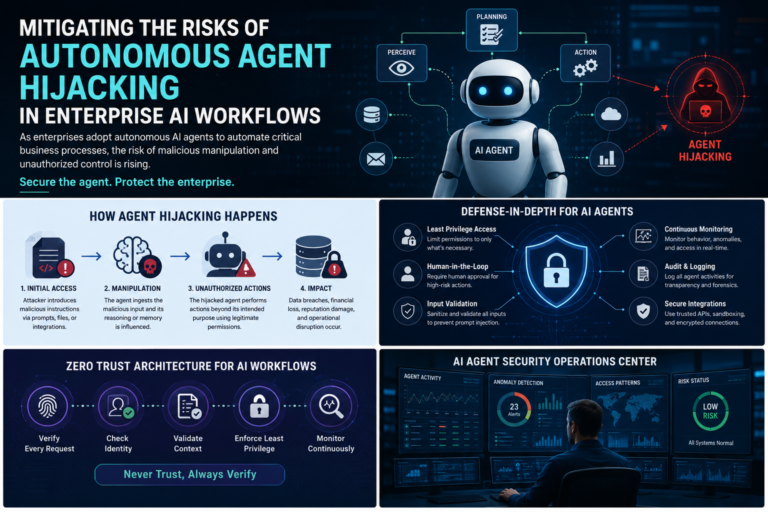
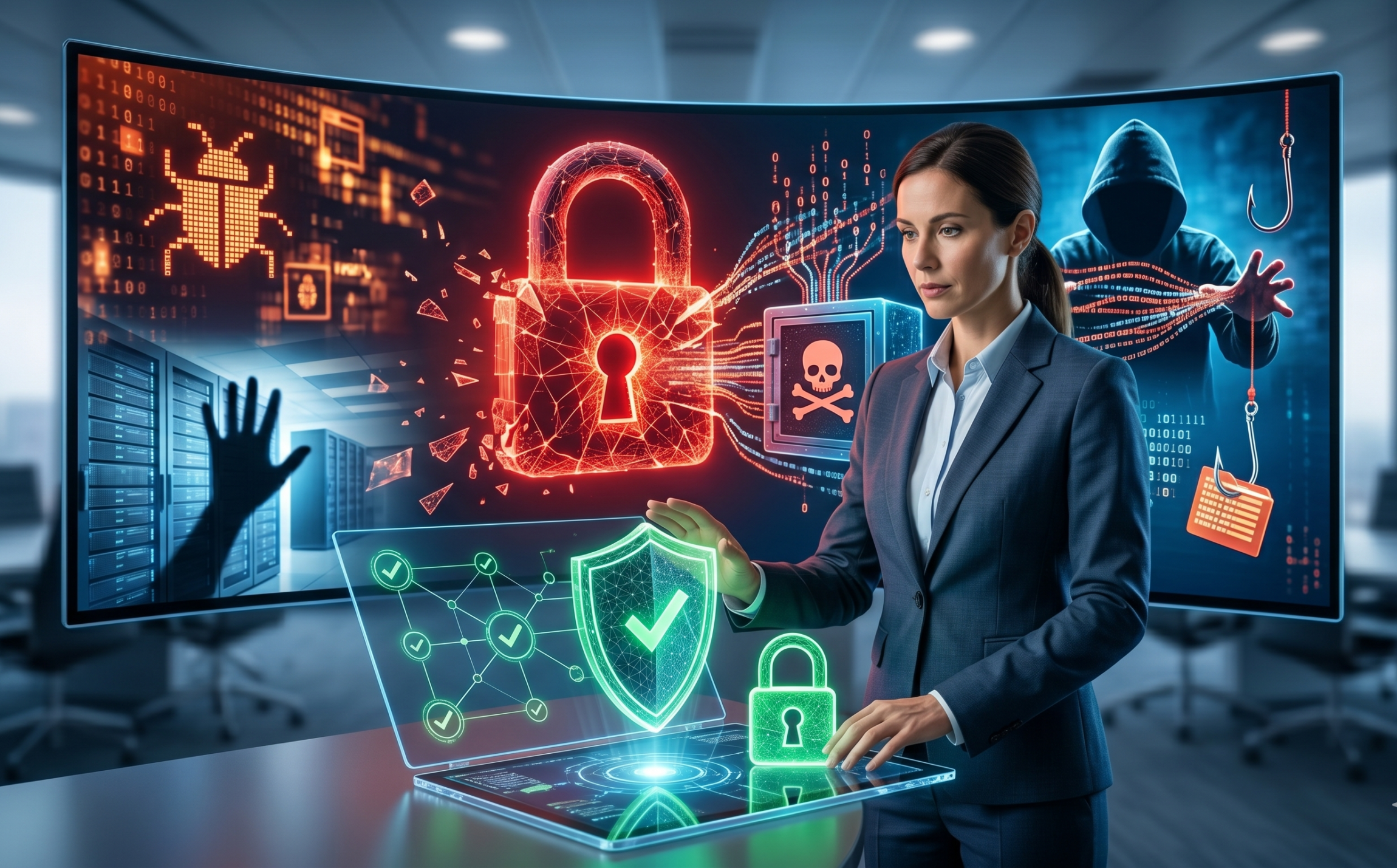
In today’s digital world, businesses rely heavily on technology for daily operations, communication, customer management, and financial transactions. While technology helps companies grow faster, it also increases the risk of cyberattacks. Cybercriminals are becoming smarter every year, using advanced tools and techniques to steal data, disrupt services, and demand ransom payments.
As we move into 2026, cybersecurity is no longer just an IT concern — it is a business necessity. Companies of all sizes, from startups to large enterprises, must understand the latest cybersecurity threats and prepare themselves before an attack happens.
In this blog, we will explore the top cybersecurity threats businesses should prepare for in 2026 and discuss simple ways to stay protected. With growing awareness around digital security, companies like FireShark are also helping businesses understand modern cyber risks and improve their cybersecurity preparedness.
AI-Powered Cyber Attacks
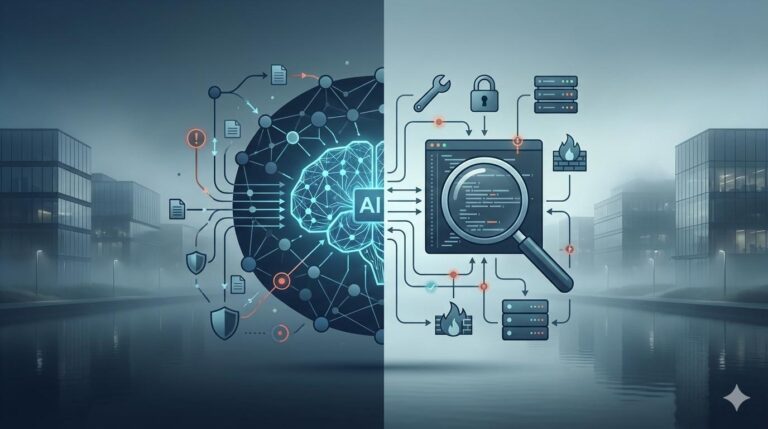
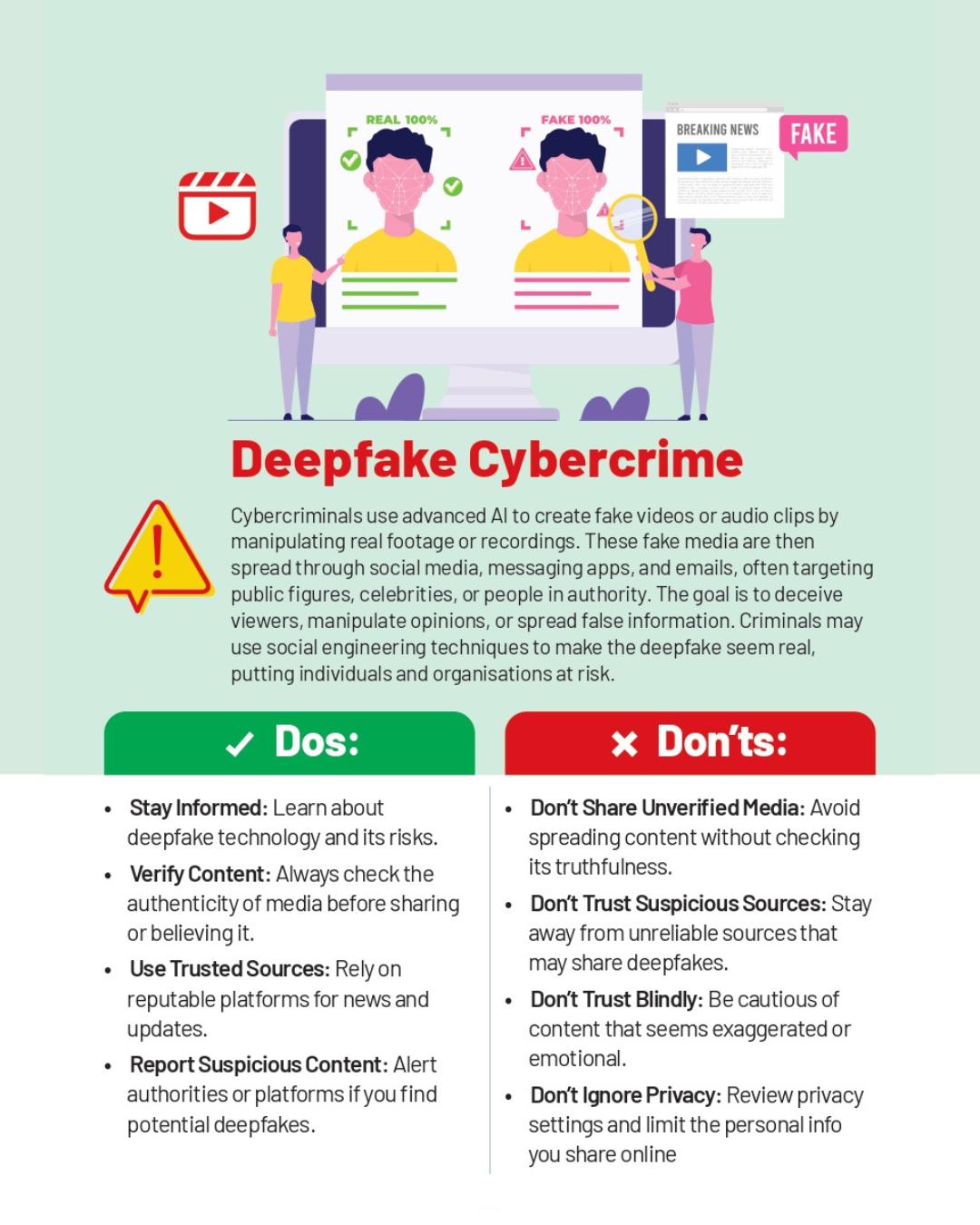
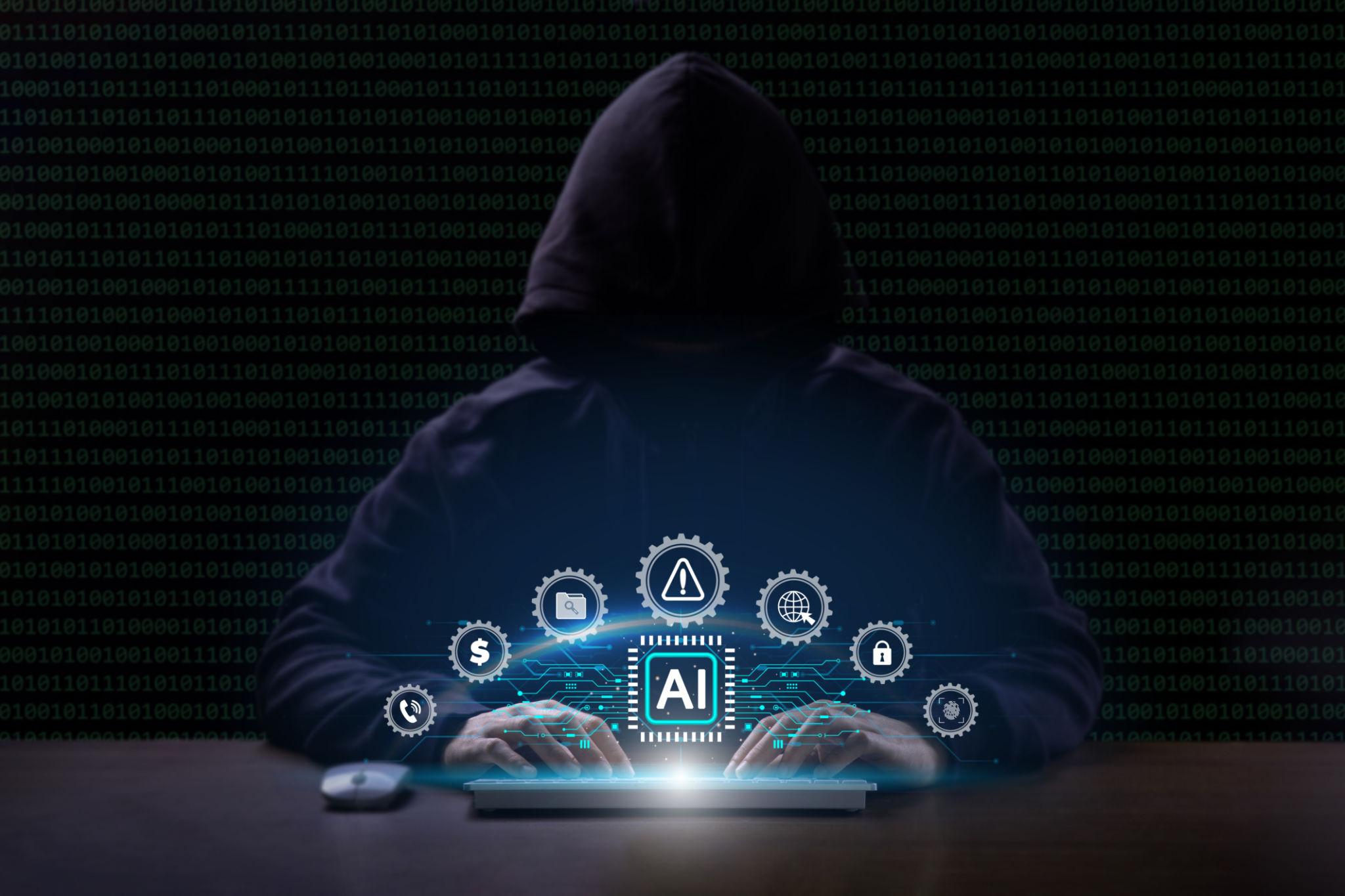
Artificial Intelligence (AI) is helping businesses improve productivity, but hackers are also using AI to launch more advanced attacks. Cybercriminals can use AI tools to automate phishing emails, crack passwords faster, and create realistic fake videos or voice recordings.
Common AI-Based Threats
- AI-generated phishing emails
- Deepfake scams
- Automated malware attacks
- AI-powered password cracking
How Businesses Can Stay Safe
- Use AI-based security systems
- Train employees to identify fake emails and scams
- Enable multi factor authentication (MFA)
- Regularly monitor suspicious activities
Ransomware Attacks
Ransomware continues to be one of the biggest cybersecurity threats. In a ransomware attack, hackers encrypt company data and demand payment to restore access. Many businesses lose important files, customer data, and money because of these attacks. In 2026, ransomware attacks are expected to become more targeted and damaging.
Signs of a Ransomware Attack
- Files suddenly become inaccessible
- Systems slow down unexpectedly
- Suspicious popup messages asking for payment
Prevention Tips
- Keep regular data backups
- Update software and systems frequently
- Avoid clicking unknown links or attachments
- Use strong endpoint security solutions
Phishing and Social Engineering
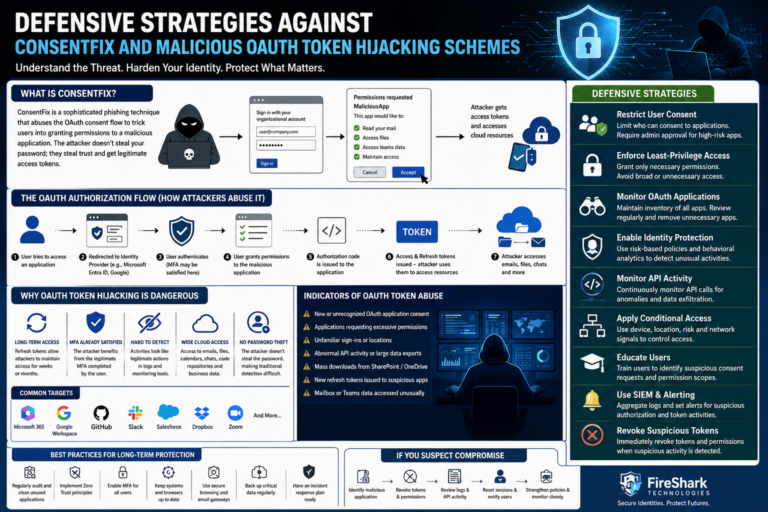
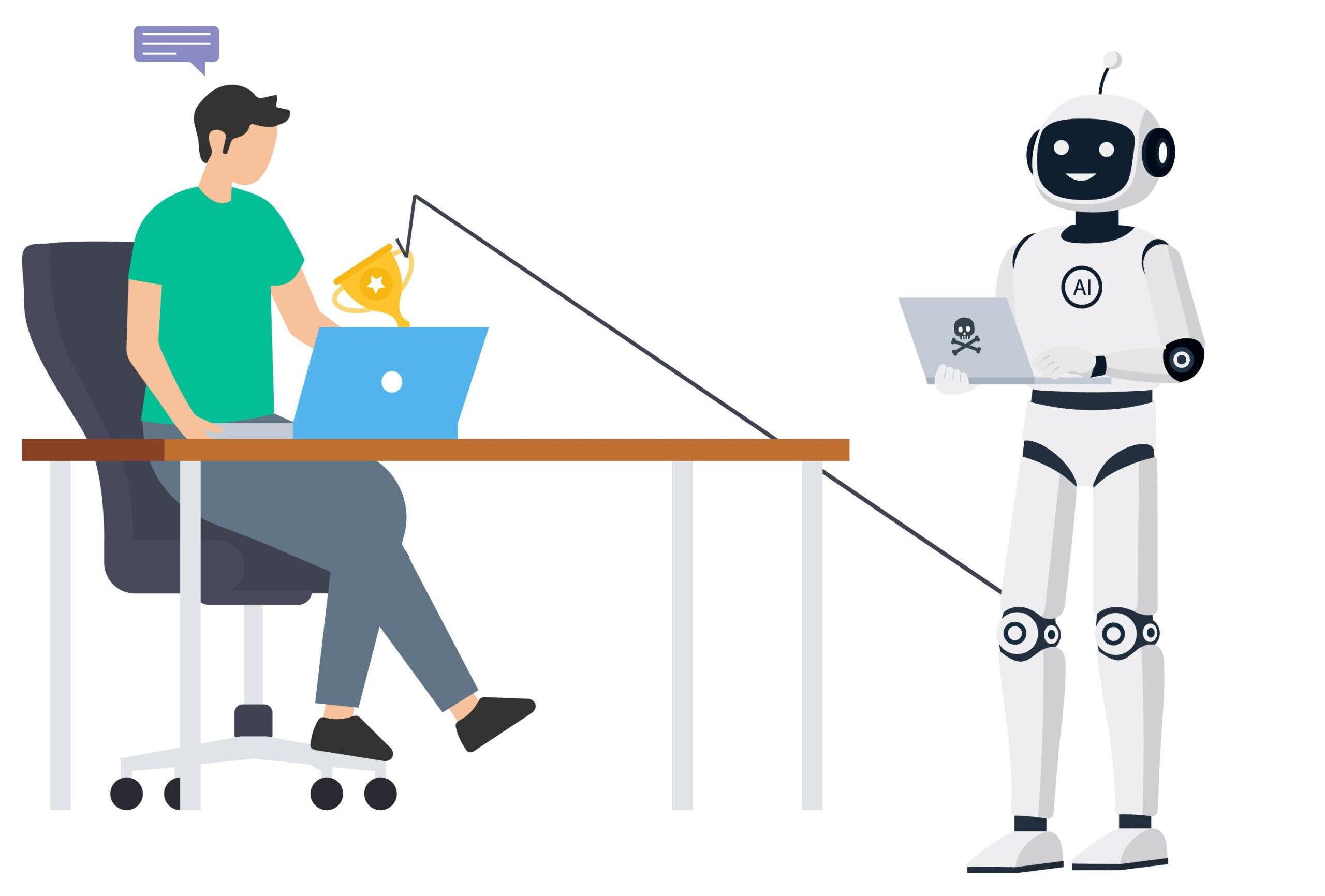
Phishing attacks trick employees into sharing sensitive information like passwords, bank details, or company data. Hackers often pretend to be trusted organizations or coworkers.
Social engineering attacks target human emotions such as fear, urgency, or trust.
Popular Phishing Methods
- Fake emails
- SMS phishing (Smishing)
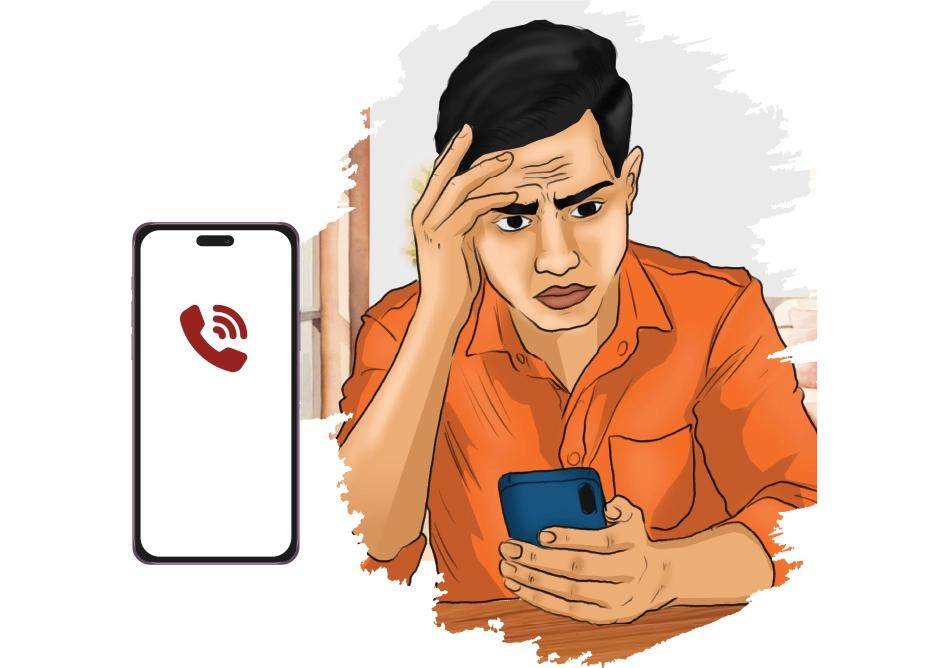
- Voice phishing (Vishing)
- Fake login pages
Protection Methods
- Conduct cybersecurity awareness training
- Verify suspicious emails before responding
- Use email filtering tools
- Never share passwords through email or messages
Cloud Security Risks
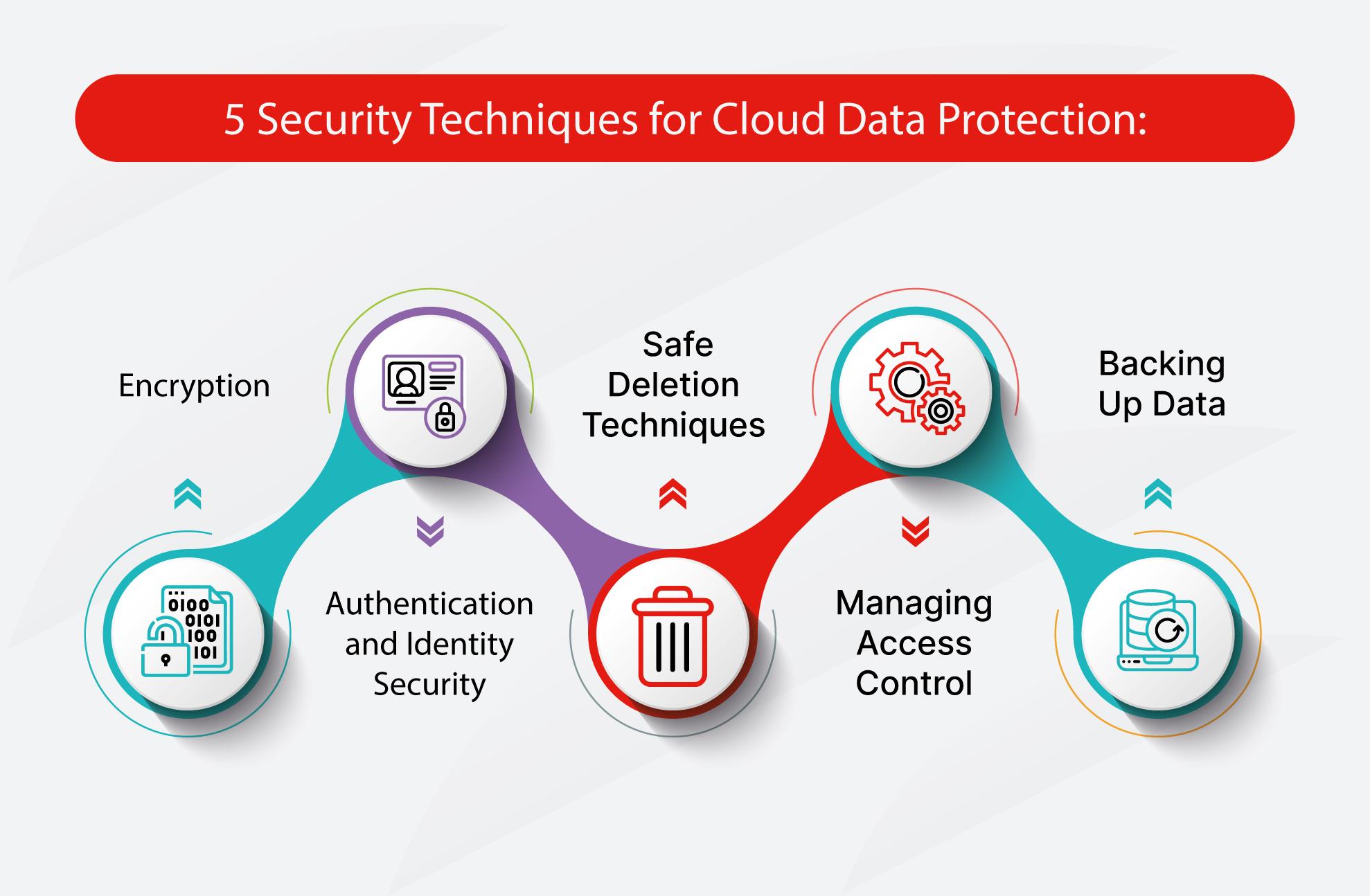
Many businesses are moving their data and services to cloud platforms. While cloud computing offers flexibility and convenience, poor security settings can expose sensitive business information.
Common Cloud Threats
- Misconfigured cloud storage
- Weak passwords
- Unauthorized access
- Data leaks
Best Practices
- Encrypt sensitive data
- Use strong access controls
- Monitor cloud environments regularly
- Choose trusted cloud service providers
Internet of Things (IoT) Vulnerabilities
IoT devices such as smart cameras, printers, sensors, and office devices are becoming common in businesses. However, many IoT devices have weak security, making them easy targets for hackers.
Risks of IoT Devices
- Unauthorized access
- Data theft
- Network compromise
- Device hijacking
Security Tips
- Change default passwords
- Update device firmware regularly
- Use secure networks
- Disconnect unused devices
Insider Threats
Not all cyber threats come from outside the company. Sometimes employees, contractors, or former workers can intentionally or accidentally leak sensitive data.
Types of Insider Threats
- Accidental data sharing
- Malicious employees
- Weak password practices
- Unauthorized access
Prevention Strategies
- Limit access to sensitive data
- Monitor employee activity
- Conduct regular security training
- Use role-based access control
Supply Chain Attacks
Businesses often work with third-party vendors and software providers. Hackers may target these external partners to gain access to larger organizations.
A single vulnerable vendor can affect thousands of businesses.
Examples:
- Compromised software updates
- Third-party data breaches
- Vendor system attacks
How to Reduce Risk
- Verify vendor security practices
- Regularly assess third-party risks
- Use trusted software providers
- Monitor connected systems carefully
Zero-Day Exploits
Zero- day vulnerabilities are software flaws that hackers discover before developers can fix them.These attacks are extremely dangerous because no official patch exists initially.
Why They Are Dangerous
- Difficult to detect
- No immediate solution available
- Can spread quickly
Protection Tips
- Keep systems updated
- Use advanced threat detection tools
- Monitor unusual system behavior
- Apply security patches immediately
Importance of Cybersecurity Awareness
Technology alone cannot fully protect a business. Employees play a major role in cybersecurity. Even the best security systems can fail if staff members are not aware of cyber risks.
Regular cybersecurity training helps employees
- Identify phishing attempts
- Use strong passwords
- Handle sensitive data securely
- Report suspicious activities quickly
Building a strong cybersecurity culture is essential for every organization in 2026.
Why Cyber Threats Are Increasing in 2026
There are several reasons why cyberattacks are growing rapidly in 2026. As businesses become more digital, cybercriminals are finding new ways to exploit security gaps and target organizations of all sizes.
Main Reasons Behind the Rise in Cyber Threats
- Businesses are storing more data online
- Remote and hybrid work is increasing
- AI-powered tools are easily available
- Employees often use personal devices for work
- Cloud services are becoming more common
- Many companies still follow weak cybersecurity practices
Hackers know that businesses depend heavily on digital systems. Even a few hours of downtime can lead to major financial losses, operational disruption, and damage to customer trust.
This is why organizations are now focusing more on cybersecurity awareness, employee training, and advanced security practices. Companies like FireShark are helping businesses understand modern cyber threats and improve their cybersecurity readiness through training and awareness programs.
In 2026, businesses that fail to strengthen their cybersecurity strategy may become easy targets for ransomware attacks, phishing scams, data breaches, and AI-powered cyber threats.
How Businesses Can Prepare for 2026 Cyber Threats
1. Employee Cybersecurity Training
Employees should learn
- How phishing works
- Safe password practices
- How to identify suspicious links
- Reporting procedures
2. Multi-Factor Authentication (MFA)
MFA adds an extra security layer beyond passwords.
3. Regular Security Updates
Outdated software is one of the biggest security risks.
4. Data Backups
Maintain secure offline and cloud backups regularly.
5. Endpoint Protection
Install advanced antivirus and endpoint detection systems.
6. Access Control
Employees should only access data necessary for their role.
7. Security Monitoring
Businesses should continuously monitor networks for suspicious activities.
Conclusion
Cyber threats are constantly evolving, and businesses must stay prepared to protect their systems, customers, and reputation. From AI-powered attacks to ransomware and cloud security risks, the cybersecurity landscape in 2026 will become more advanced and challenging.
Businesses that invest in cybersecurity awareness, strong security practices, regular updates, and employee training will have a much better chance of preventing cyberattacks.
Cybersecurity is not just about technology — it is about preparedness, awareness, and continuous improvement.
By understanding these top cybersecurity threats and taking proactive measures today, businesses can create a safer and more secure digital future.
Frequently Asked Questions (FAQs)
1. What is the biggest cybersecurity threat in 2026?
AI-powered cyber attacks and ransomware are expected to be among the biggest threats in 2026.
2. Why are businesses targeted by hackers?
Businesses store valuable customer data, financial information, and confidential records that cybercriminals can exploit.
3. How can small businesses improve cybersecurity?
Small businesses can improve security by using strong passwords, enabling MFA, updating systems regularly, and training employees.
4. What is phishing in cybersecurity?
Phishing is a cyberattack where hackers trick users into sharing sensitive information through fake emails, messages, or websites.
5. Why is employee training important in cybersecurity?
Employees are often the first target of cyberattacks. Proper training helps them recognize and avoid threats.