

Introduction
Every time we check the morning headlines, authenticate a corporate cloud login, post an update to a professional network, or accept a website’s cookie policy, we leave an indelible mark. In the highly hyper-connected landscape of 2026, our physical lives and digital personas have completely fused.
This digital exhaust is known as your digital footprint—a permanent, cumulative cryptographic and behavioral record of your interactions across the internet. While a digital footprint provides users with seamless personalization and algorithmic convenience, it also functions as an extensive, publicly searchable ledger that can directly impact your privacy, career trajectory, and overall cybersecurity posture.
Active vs. Passive Digital Footprints
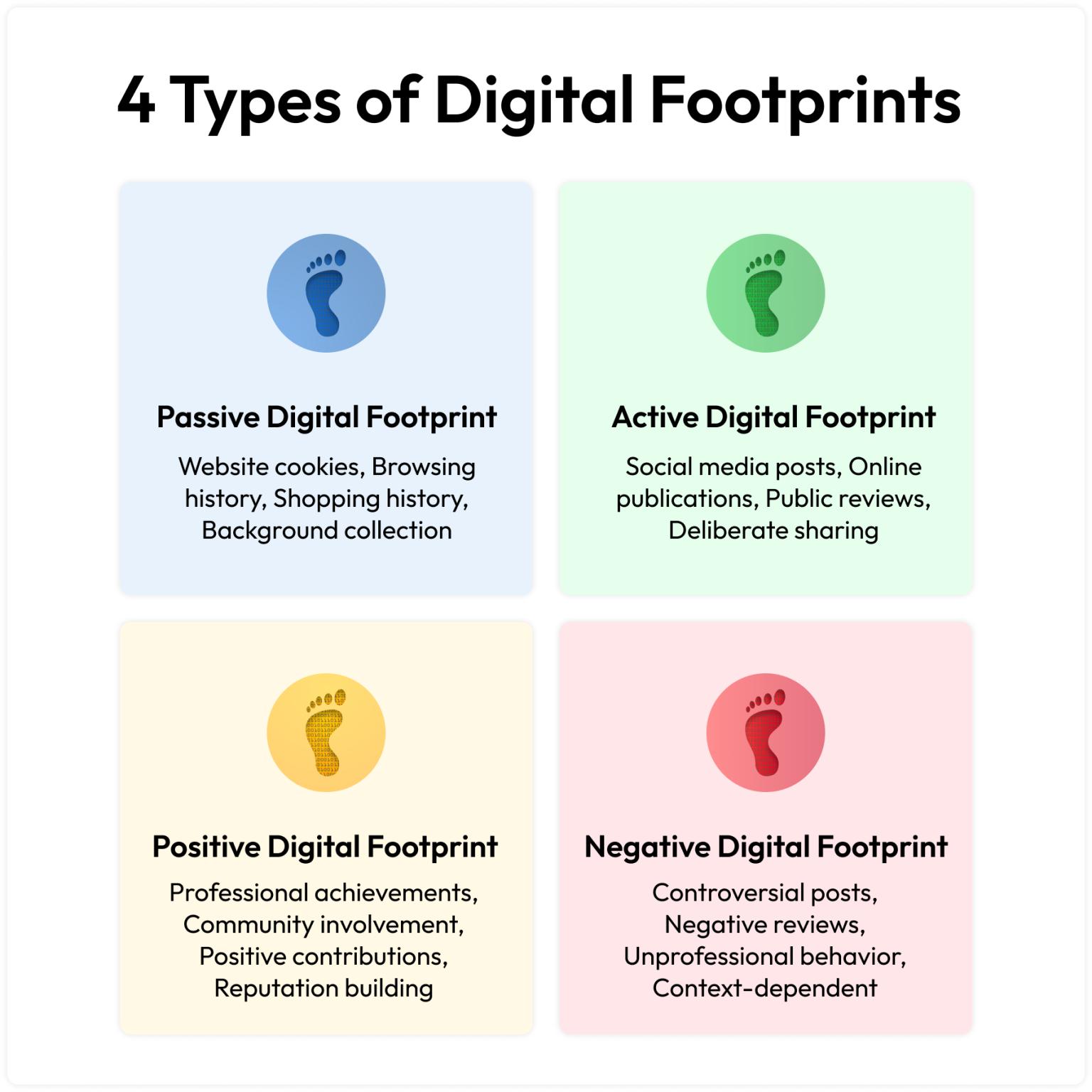
A digital footprint is not a single archive; rather, it is a complex stream of data points categorized by how the information was originally generated.
[Online Interaction] ── Deliberate Action ──> ACTIVE FOOTPRINT (Posts, Forms, Emails)
                     └── Silent Tracking   ──> PASSIVE FOOTPRINT (IP Address, Telemetry, Cookies)
The Active Digital Footprint
An active digital footprint is built through deliberate, conscious data sharing. Whenever you publish a blog post, send an email, upload media to social networks, fill out a digital registration form, or leave a product review, you are choosing to append data to your public profile. Because these actions require explicit intent, users generally maintain standard cognitive awareness of what they are broadcasted.
The Passive Digital Footprint
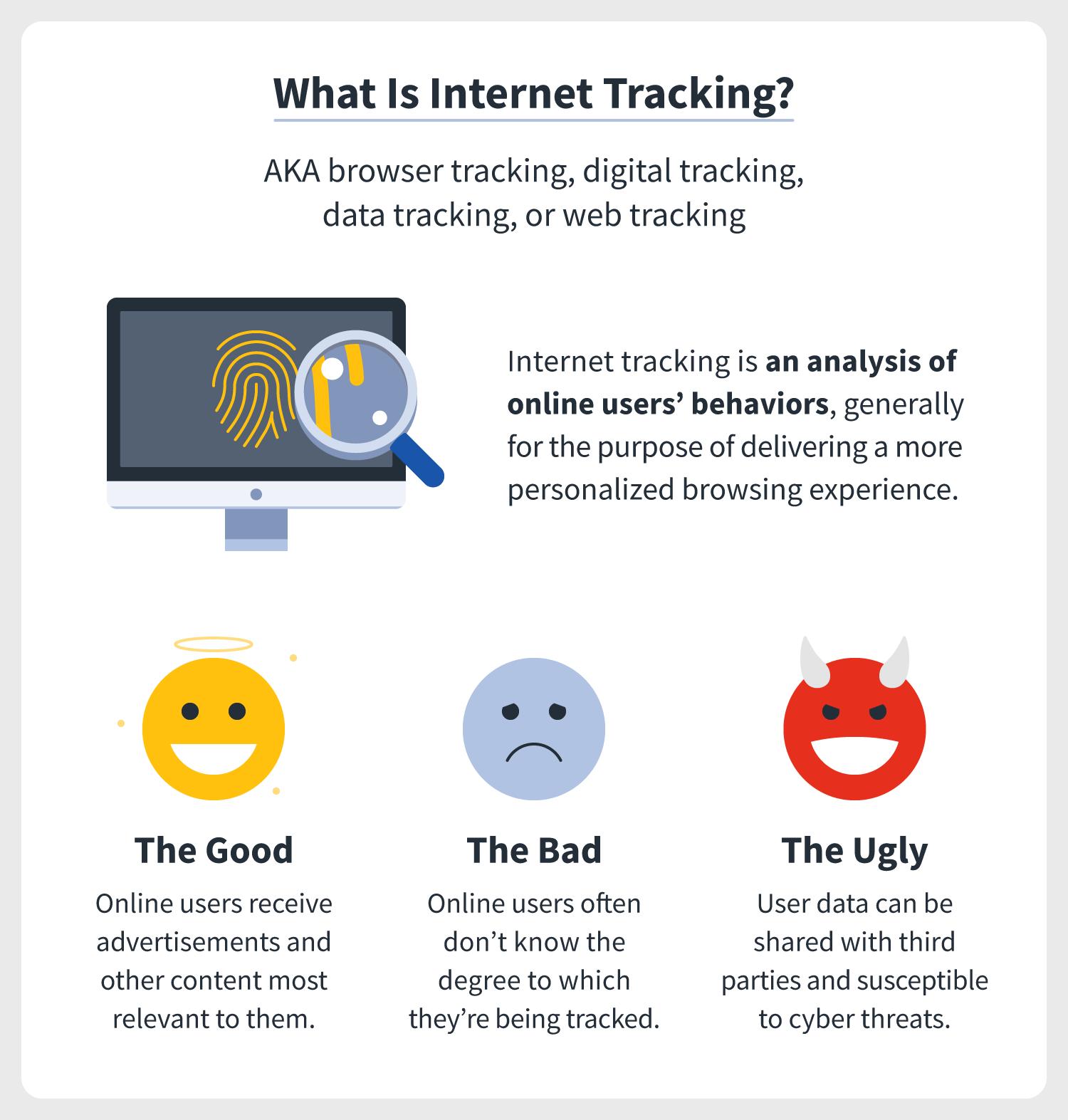
A passive digital footprint is generated silently in the background, often entirely without the user’s conscious realization. As you navigate the web, web servers, tracking pixels, ad networks, and device telemetry channels constantly gather metadata. This includes your device’s unique IP address, geographic location, browser fingerprint, scrolling behavior, and historical link clicks. This hidden stream is what data brokers use to synthesize highly detailed consumer profiles.
The Threat Landscape: Why Your Footprint Is a Security Vulnerability
Many individuals mistakenly view their digital footprint purely through the lens of marketing or privacy. To modern threat actors, however, your digital footprint is an exhaustive open-source intelligence (OSINT) goldmine used to orchestrate targeted attacks.
1. Fueling Sophisticated Social Engineering
Before launching a targeted attack, a cybercriminal maps out their victim’s digital footprint. By compiling public data points from various social media networks—such as vacation schedules, professional milestones, pet names, and family relationships—attackers can easily bypass security questions or craft hyper-convincing lures. To see how this data is weaponized to exploit human psychology, read our comprehensive overview of The Most Common Phishing Techniques Used by Cybercriminals.
2. Facilitating Identity Theft and Account Takeovers
A massive digital footprint drastically reduces the effort required for identity fraud. When data brokers aggregate disjointed fragments of your passive and active footprints—such as your full name, phone numbers, past addresses, and date of birth—the complete profile can be sold on dark web marketplaces. Attackers use this data to impersonate victims, bypass automated telephone banking verifications, or execute account resets. To protect your access keys from these extraction tactics, explore our analysis on How Cybercriminals Steal Passwords and Login Credentials.
The Professional Reality: Your Digital Resume Before the Interview
In modern corporate hiring, your digital footprint functions as an unedited, permanent background check. Corporate recruiters, venture capitalists, and academic admissions boards routinely deploy automated screening software to scan candidates’ public digital footprints.
The Permanent Record Rule: The internet operates as a permanent archive. Even if you delete an inappropriate comment, a controversial post, or an old photo from a personal account, the data may already be permanently cataloged by web archive crawlers or captured via third-party screenshots.
Conversely, a carefully managed, positive digital footprint can act as a powerful tool for personal branding. Consistently sharing technical insights, celebrating professional milestones, and contributing constructively to industry forums builds public credibility and establishes you as a thought leader in your field.
Operational Blueprint: Managing Your Digital Footprint
While it is statistically impossible to delete your online presence entirely in a modern society, you can drastically reduce your attack surface and regain control of your personal data by implementing strict digital hygiene practices.
| Risk Vector | Diagnostic Action | Tactical Remediation |
| Unmonitored Public Exposure | Run an OSINT audit by searching your name across multiple search engines in private windows. | Request data removal from major data broker registries and opt-out directories. |
| Over-Privileged Access | Review your active social media accounts and connected apps. | Set profiles to private and audit/revoke third-party application permissions regularly. |
| Silent Background Tracking | Analyze your passive browser data exhaust. | Use privacy-focused browsers, clear cookie caches, and implement a trusted VPN network. |
| Ghost Account Exposure | Identify old, abandoned digital accounts and message boards. | Systematically delete unused accounts to eliminate passive data leakage in future breaches. |
Enhancing Enterprise Digital Hygiene with FireShark
As corporate and personal devices continue to blur under remote work structures, an employee’s personal digital footprint directly impacts an enterprise’s total attack surface. A worker who over-shares corporate internal structures on social media or unknowingly leaks credentials through passive tracking channels exposes the entire corporate network to precision targeted attacks. Building an enduring security posture requires transitioning your team from passive users into an active line of defense. To learn more about securing modern corporate environments, check out our baseline guide on What is Cybersecurity? Why is Cybersecurity Important?.
FireShark bridges the gap between personal digital privacy and corporate network defense by providing state-of-the-art security awareness and simulation training. Our specialized courses teach employees how to audit their public footprints, spot social engineering traps, and handle corporate data with extreme care. By instilling defensive digital habits across your workforce, FireShark converts potential human vulnerabilities into a robust human firewall.
Conclusion
Your digital footprint is the permanent narrative of your life online. From intentional updates on social networks to the hidden collection of browser tracking systems, every action builds a lasting digital footprint. While this trail offers immense convenience in an AI-driven era, it introduces real risks to your privacy, reputation, and cybersecurity. By adopting a proactive security mindset, utilizing advanced privacy controls, and carefully managing what you share, you can confidently utilize modern internet utilities while keeping your private life secure.
Frequently Asked Questions (FAQs)
1. What is the fundamental difference between an active and a passive digital footprint?
An active digital footprint consists of data you intentionally choose to share, such as social media posts, emails, and filled-out online forms. A passive digital footprint is gathered automatically behind the scenes without your active input, including your IP address, browser configuration, and website tracking cookies.
2. Can an old digital footprint really affect my future job opportunities?
Yes. Modern HR departments and professional recruiters routinely use automated screening tools to evaluate a candidate’s public online history. Inappropriate content, offensive remarks, or unprofessional behavior published years prior can be surfaced through basic web searches and may negatively influence hiring decisions.
3. How do cybercriminals exploit my public digital footprint for phishing attacks?
Cybercriminals use your public digital footprint to gather open-source intelligence (OSINT). By analyzing your listed connections, location check-ins, hobbies, and career history, they can craft highly customized, context-aware spear phishing emails that mimic authentic communications, drastically increasing the likelihood that you will fall for the trap.
4. Is it possible to completely delete my digital footprint from the internet?
Completely erasing your digital footprint is virtually impossible because data is constantly backed up, copied by third-party data brokers, and cached across global server networks. However, you can significantly reduce your footprint by adjusting app privacy settings, deleting unused accounts, and requesting removals from data brokers.
5. How do data brokers compile information into a single passive footprint profile?
Data brokers use advanced tracking algorithms, cross-site cookies, and device fingerprinting technologies. By matching your unique browsing habits, IP addresses, and device configurations across multiple completely unrelated websites, they can easily tie disparate data streams into a single, cohesive consumer profile.